
Off-the-shelf training programs have their place, but they tend to gloss over the specifics that matter most to individual organizations. Industry processes, compliance obligations, role-based skill gaps: these rarely fit neatly into a prefabricated course. The result is learners who tune out and budgets that produce little measurable change. Custom learning exists to fill that space. It brings precision and relevance where generic content falls flat. Below, we look at the specific problems that call for a purpose-built instructional approach.
Complex Onboarding Across Distributed Teams
Organizations with offices spread across multiple regions run into a persistent onboarding issue. New hires everywhere need the same foundational knowledge, yet local regulations, software configurations, and day-to-day workflows vary from site to site. One standard course cannot cover all of that ground.
Custom learning programs handle this by establishing a shared knowledge core and then adding region-specific or role-specific layers on top. Companies that invest in eLearning custom solutions can build onboarding paths that adapt to a learner’s department, location, or experience level. This kind of flexibility shortens ramp-up periods and gives every new team member accurate, relevant guidance right from their first week.
Industry-Specific Compliance and Regulatory Training
Healthcare, finance, manufacturing, and energy all operate under tight regulatory frameworks. Those rules shift often and differ by jurisdiction. A catalog compliance module might touch on broad legal principles, but it may not capture the details that keep a particular organization audit-ready.
Keeping Pace With Regulatory Shifts
Purpose-built eLearning programs let instructional designers embed the exact statutes, internal policies, and procedural checklists a business actually follows. When a regulation changes, the training content can be revised quickly, rather than waiting months for a third-party vendor to update a generic course. That speed lowers organizational risk and keeps staff aligned with current requirements.
Proprietary Software and Internal Tool Adoption
Most enterprises depend on proprietary platforms, internal dashboards, or heavily configured versions of commercial software. No pre-packaged course will cover a company’s unique tech stack. Left without proper guidance, employees figure things out through trial and error, losing productive hours and building inconsistent habits along the way.
A purpose-built training module walks users through the exact workflows, screen layouts, and data-entry steps they encounter each day. Interactive simulations let people practice inside a replica of the actual system before they touch live data. Faster adoption, fewer support requests, and cleaner records across the organization tend to follow.
Closing Measurable Performance Gaps
Sometimes a training need shows up in the numbers. Customer satisfaction scores dip. Error rates on a production line begin to climb. Sales conversions hit a ceiling. These situations demand targeted interventions, not broad awareness courses that cover everything and fix nothing.
Connecting Learning Objectives to Business Metrics
Custom instructional design starts with a gap analysis that links each learning objective to a specific performance indicator. The content addresses only the behaviors and knowledge areas that influence those metrics. Post-training assessments then track whether the gap has actually narrowed, giving leadership a clear return-on-investment story.
High-Stakes Safety and Emergency Preparedness
Industries like aviation, mining, oil exploration, and utilities require rigorous safety training. Poor preparation in these fields can lead to equipment damage or, far worse, loss of life. Generic safety videos rarely reflect the actual machinery, site conditions, or emergency procedures a workforce deals with on any given shift.
Custom programs bring in site-specific hazard maps, equipment documentation, and scenario-based simulations. Learners practice making decisions under realistic pressure, building the kind of instinctive response that matters during critical moments. Assessment criteria can mirror actual certification benchmarks, so every participant meets the precise competency threshold before stepping back onto the floor.
Niche Skill Development for Specialized Roles
Certain roles exist only within specific organizations or narrow sub-industries. A data annotation specialist at a medical imaging firm, for example, needs instruction that no public course catalog offers. The same holds true for proprietary research methods, internal quality frameworks, or unique customer interaction models.
Building Expertise That Does Not Exist Elsewhere
When the knowledge a role requires lives inside an organization rather than in published materials, custom learning becomes the only realistic option. Subject-matter experts partner with instructional designers to turn tacit, experience-based knowledge into structured, repeatable lessons. This protects institutional expertise and makes it accessible to future hires rather than letting it walk out the door with departing staff.
Change Management During Organizational Transformation
Mergers, technology migrations, and major process overhauls ask more of people than a memo and a slide deck can deliver. Employees need guided experiences that explain why changes are happening, demonstrate revised workflows step by step, and provide safe practice environments before go-live.
Generic content cannot address the specific systems being retired, the revised approval chains, or the cultural shifts leadership is pushing for. Custom modules sequence information in a logical order, anticipate common resistance points, and include feedback loops that catch confusion early. Organizations that build structured change-related learning into their rollout plans consistently report smoother transitions and fewer post-launch errors.
Multilingual and Culturally Adapted Training
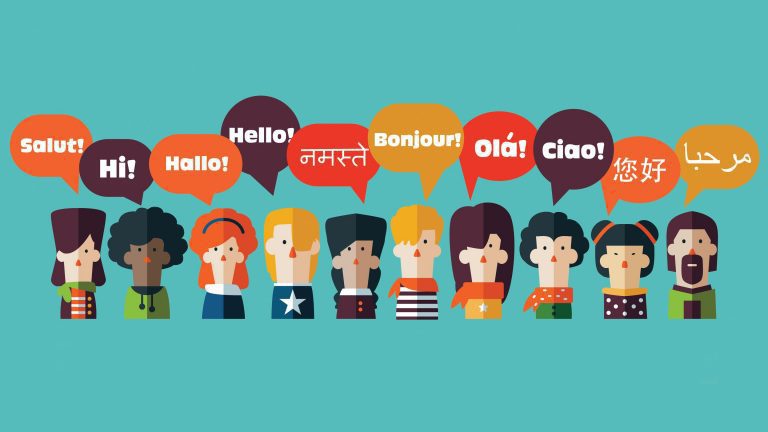
Global teams need more than a translated version of existing materials. Cultural references, visual metaphors, humor, and even color associations carry different meanings from one region to the next. A course built for a North American audience may confuse or alienate learners in Southeast Asia or the Middle East.
Custom development accounts for those differences during the design phase, not as a last-minute patch. Localization specialists work alongside content creators to make sure each version connects with its intended audience. That attention to cultural fit lifts engagement, comprehension, and completion rates across every region served.
Blended Learning for Multi-Format Delivery
Some problems simply resist a single delivery method. A warehouse safety initiative might pair short video modules with hands-on floor exercises and a digital assessment. A leadership development track could blend self-paced reading with live virtual workshops and peer coaching sessions.
Pre-built courses lock organizations into one format. Custom programs mix modalities based on the learning objective, audience preference, and practical constraints. That flexibility helps ensure each concept reaches learners through the channel most likely to lead to lasting retention.
Conclusion
Not every training challenge warrants a custom solution, but the problems covered here share one thing in common: they resist a one-size-fits-all treatment. Whether the need centers on compliance precision, mastery of proprietary tools, safety preparedness, or cultural adaptation, purpose-built learning delivers outcomes that generic content simply cannot. Organizations that recognize these high-impact scenarios early put themselves in a stronger position on performance, risk reduction, and employee readiness.
Guest writer