
The future workforce, given today’s trend, will not be built by software skills alone. As more companies expand infrastructure, modernize energy systems, build facilities, and maintain critical services, they also need people who can install, repair, operate, and protect the physical systems behind the economy.
For HR leaders, this can create a workforce layout issue that might just be easy to overlook. The challenge these days is no longer simply finding candidates with the right credentials. You have to add a reliable pipeline of people with practical skills, safety awareness, technical judgment, and the ability to keep learning as another caveat, especially as technology evolves.
The Skills Gap is Becoming an Operational Problem
The World Economic Forum even reports that 63 percent of employers already identify skills gaps as a major barrier to business transformation between 2025 and 2030. Their 2025 Future of Jobs Report also declares that nearly 40% of workers’ core skills are projected to change by 2030.
This piece of info is quite relevant because a skills shortage can affect far more than recruitment. When qualified workers are scarce, projects face longer timelines, higher labor costs, greater overtime pressure, and increased dependence on outside contractors.
The construction industry can offer you a useful example. Associated Builders and Contractors estimated that the US construction sector still needs about 349,000 net new workers in 2026 to keep labor supply aligned with demand. Some analysis of the construction skills shortage highlights the workforce pressures facing the industry.
For HR professionals like you, these numbers can lead you toward a more strategic response. Instead of treating skilled trades hiring as a recurring vacancy problem, you can treat training as part of long-term workforce capacity.
Practical Training Creates a Stronger Talent Pipeline
Traditional hiring is a company routine that often assumes that qualified talent already exists in the market. Skilled trades training, on the other hand, challenges that assumption by helping employers and educators develop talent before the shortage becomes an emergency.
It is an approach that can be especially valuable and practical, especially for occupations where every worker’s competence depends on physical practice, technical procedures, equipment handling, and safety routines. A candidate may understand electrical theory, for example, but still need supervised practice before becoming effective in a demanding field environment.
The US Bureau of Labor Statistics even projects 81,000 electrician openings each year (on average), from 2024 through 2034. Recent data reveals that employment for electricians is projected to grow by 9 percent during that period, compared with 3 percent growth for all occupations.
This is where your move for career-focused education can support workforce development. Every training you design can give prospective workers a clearer entry point while giving employers like you access to more candidates who have already developed relevant technical foundations.
Build the People Who Keep the Grid Moving
In crafting serious workforce strategy, electrical infrastructure can show you why the skilled trades training you offer deserves a place. Modern grids nowadays require workers who can understand electrical systems, follow strict safety procedures, operate specialized equipment, and respond when infrastructure fails.
The need is becoming more complex as electricity demand, grid modernization, renewable energy, electric vehicles, and distributed energy systems reshape utility operations. The US Department of Energy has specifically called for expanded workforce development programs that prepare line workers to work with advanced grid technologies and materials. The employment outlook supports that need.
The Bureau of Labor Statistics (BLS) forsees a future with 7 percent growth for electrical power line installers and repairers from 2024 through 2034, with about 10,700 openings each year on average. For managers and someone exploring this pathway like you, Centura College lineworker training is one avenue that can provide a clear example of a focused training module. Its electrical lineworker certificate program, for instance, covers electrical fundamentals, utility climbing techniques, power line equipment, field operations, hazard recognition, and emergency situations.
The broader lesson for HR these days is more important than any single program. You now need effective workforce development that can connect classroom knowledge with the real tasks, equipment, safety expectations, and working conditions employees will encounter.
Do not separate technical skills from human skills
There is another reason skilled trades training matters in the future workforce. Technical ability does not replace human judgment.
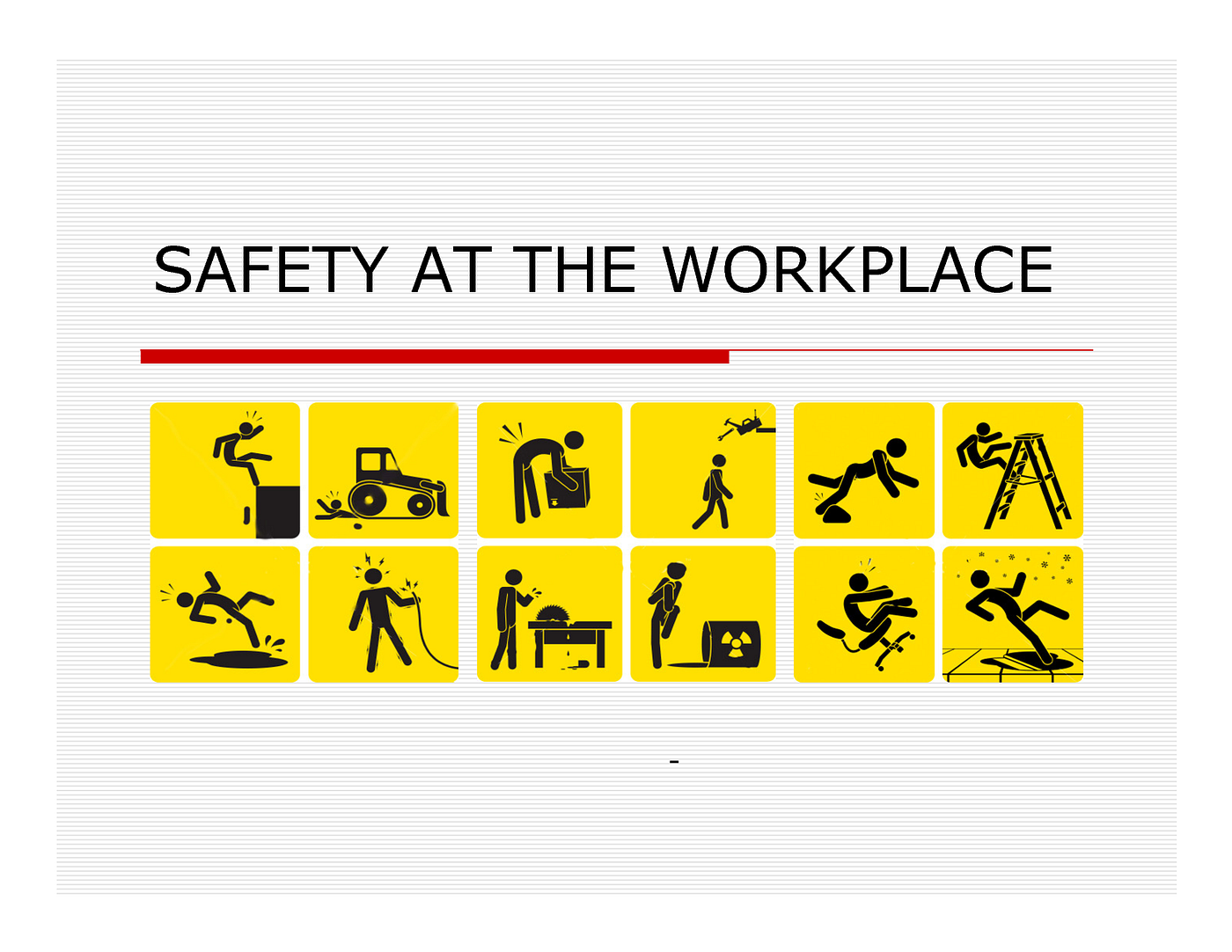
A line worker, electrician, technician, welder, or maintenance specialist may use increasingly advanced equipment, yet the job still requires communication, teamwork, problem solving, attention to detail, and sound decisions under pressure. Those abilities become even more important when workers operate around machinery, electrical systems, heights, or other workplace hazards.
The World Economic Forum expects resilience, flexibility, agility, resource management, quality control, and technological literacy to remain important skills as jobs evolve. It also reports that 85 percent of employers surveyed plan to prioritize workforce upskilling. That gives HR teams a useful framework. Your training strategy should develop technical competence while strengthening the judgment and adaptability employees need when conditions change.
Turn Training Into a Workforce Strategy
The strongest skilled trades programs do more than prepare someone for a first job. They can create a pathway into a broader career.
You can start by mapping the technical roles your organization expects to need over the next three to five years. Then identify which skills can be developed internally, which require external training, and which credentials or supervised experiences matter for each position. Next, you need to build relationships with trade schools, community colleges, apprenticeship programs, industry associations, and local employers and hiring agencies.
These partnerships can greatly widen your talent pool and give you earlier access to new graduates and emerging workers. Also, you may need to measure outcomes beyond the skills training enrollment. You’ll have to track completion rates, time to productivity, retention, internal mobility, safety performance, and promotion into higher skill roles. These measures can help HR efficiently determine whether training is actually strengthening workforce capacity.
The Future Workforce Needs a Wider Definition of Talent
The old divide between college-educated professionals and trade workers makes less sense in a technology-driven economy. A modern workplace needs people who can design systems, operate them, maintain them, repair them, and improve them.
That is especially clear as AI, automation, advanced manufacturing, energy modernization, and major infrastructure projects continue to change the labor market. The World Economic Forum even estimates that 170 million fresh jobs could be created globally by 2030, while 92 million roles could be displaced, producing a net gain of 78 million jobs. For HR leaders, the takeaway is practical. Skilled trades training gives you another way to build talent instead of waiting for the market to deliver fully trained candidates.
Make Skilled Training Part of Your Talent Plan
When your workforce relies so much on infra, equipment, or tech operations, building your team from skilled trades can be a forward-looking and more effective talent strategy. You can also keep tabs on vulnerable roles, build practical training pathways, and connect workers with credentials, experience, and career growth. Technology will keep changing the workplace, but skilled people will keep making it work. Start building that talent pipeline today.
Guest writer