
In this episode, we explore the shift toward a holistic talent ecosystem, providing a strategic guide for the CHRO to navigate the complexities of modern workforce planning. By integrating agile HR tech with a high-trust workplace culture, leaders can ensure that decision-making is data-driven yet human-centric, ultimately maximizing organizational productivity and long-term performance.
And why emotional intelligence is no longer a “soft skill”, it’s a bottom-line business imperative
Less than 30% of employees believe their leaders are authentic.
That’s not opinion. That’s data from both Gallup and Gartner studies.
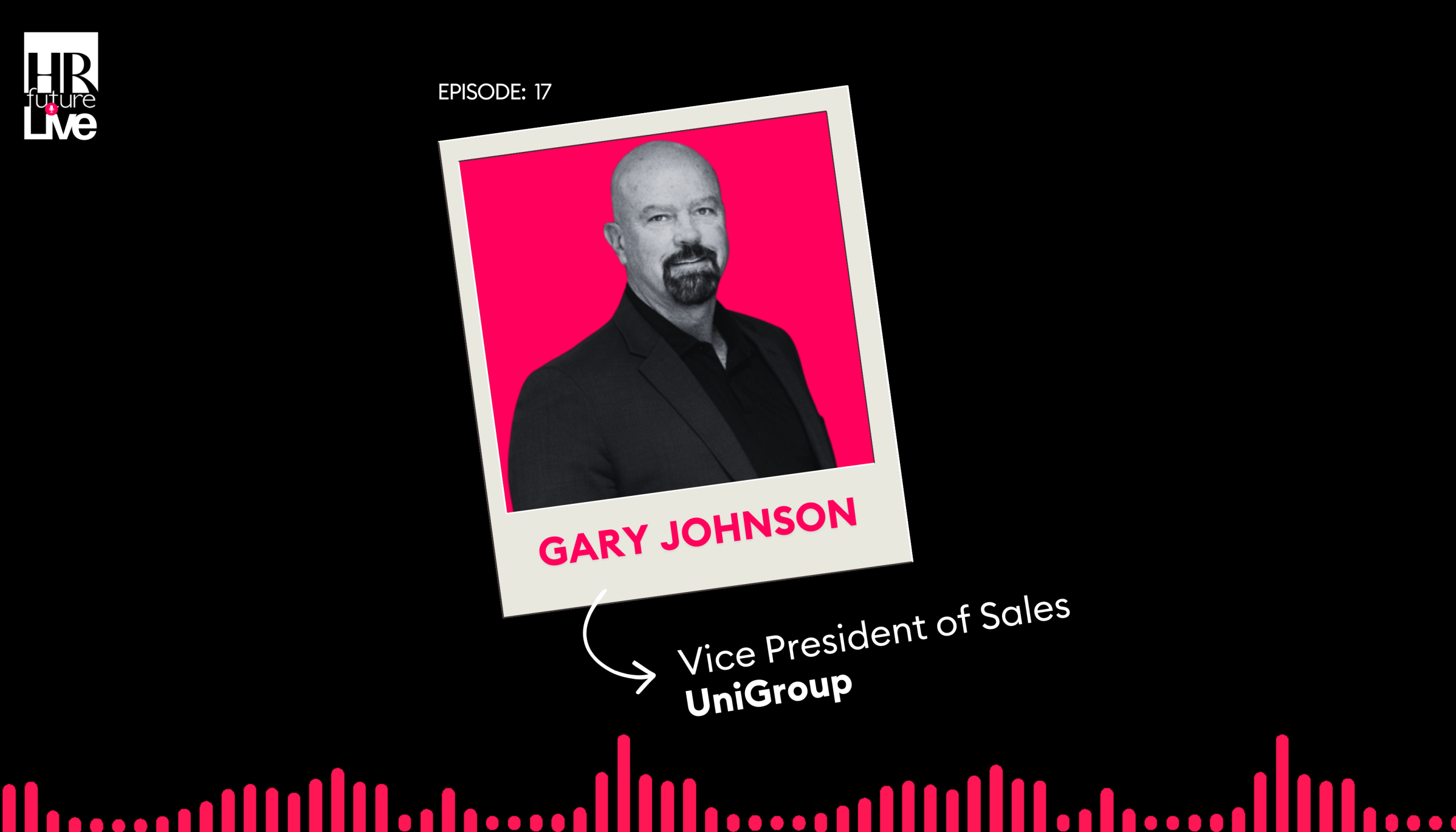
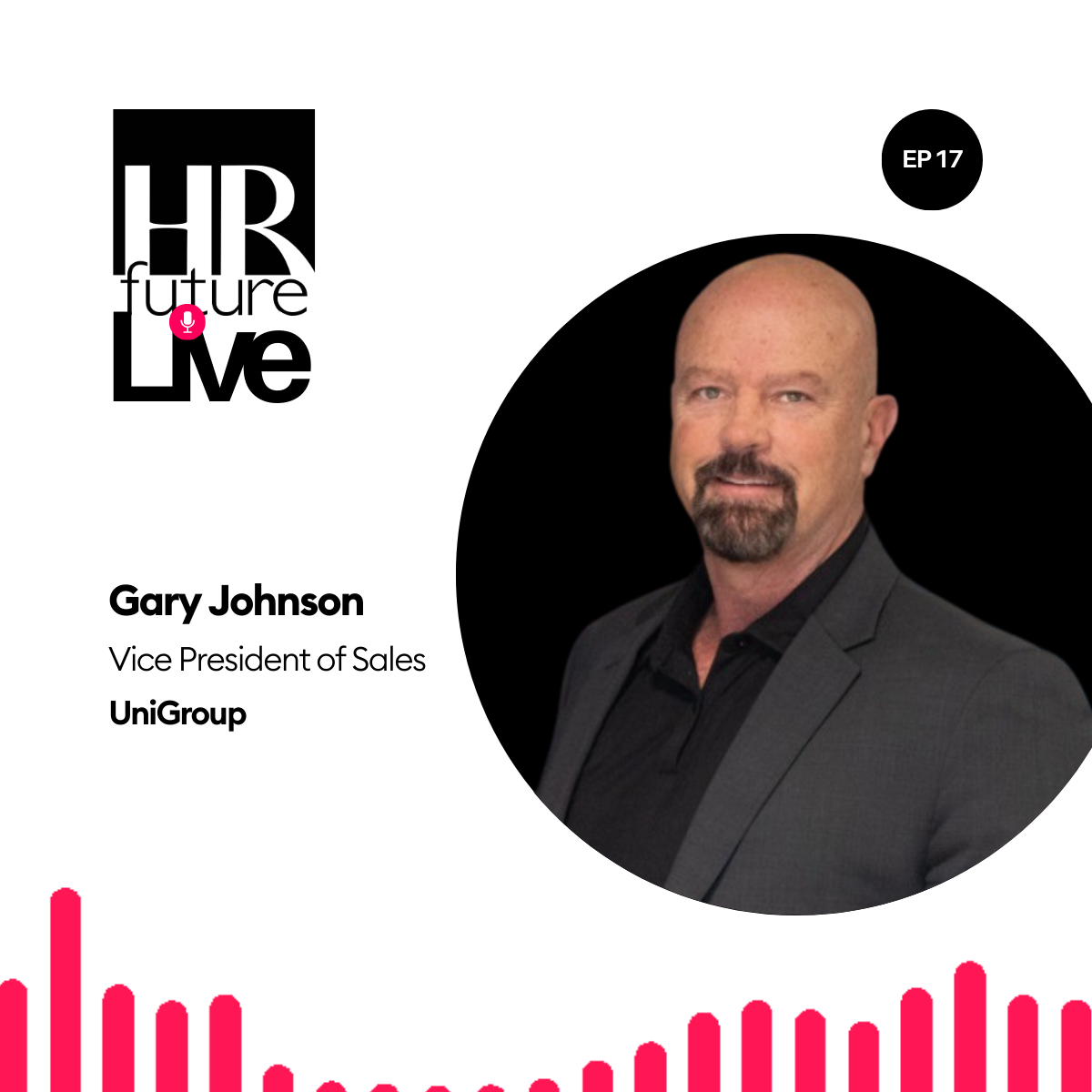
Dr. Gary Johnson, VP of Sales at UniGroup and leadership researcher, has spent years studying why this gap exists—and more importantly, how to close it. His doctoral research on leadership authenticity and workplace trust reveals an uncomfortable truth:
Leaders think they’re doing fine. Their teams disagree. And the gap is costing organizations millions.
“If you sat in a room with a thousand leaders and asked if these principles matter, every hand would go up,” Johnson explains. “The challenge is when we ask employees, ‘Do you think your leader’s authentic?’ less than 30% say yes.”
For CHROs navigating talent retention, engagement, and performance challenges, this isn’t just a culture problem. It’s a strategic crisis with measurable business impact.
What Leadership Authenticity Actually Means
Johnson’s research identifies four core elements that define authentic leadership:
1. Self-Awareness The emotional intelligence component. Leaders who can regulate emotions, understand others, and navigate interpersonal dynamics effectively.
2. Relational Transparency The ability to connect genuinely, inspire, and demonstrate appropriate vulnerability. As Stephen Covey and others emphasize connection before content.
3. Balanced Processing Willingness to seek input before making important decisions and having deeply held beliefs challenged without becoming defensive.
4. Internal Moral Compass Leading from clear values and ethical standards, not just what’s expedient or popular.
“It all sounds great,” Johnson notes. “But here’s the problem: Every single component has been correlated through research to direct impact on the bottom line, employee engagement, retention, and revenue per employee. This isn’t ‘soft skills’ anymore.”
The Introspection Illusion: Why Leaders Think They’re Fine
Here’s where it gets uncomfortable.
“There’s a theory called the introspection illusion,” Johnson explains. “Leaders measure themselves based on their intention and measure other people based on their behavior.”
The pattern:
- 80-90% of leaders self-assess their emotional intelligence as very high
- When peer reviews are conducted, that score drops to 10-15%
“The biggest challenge we have is that a lot of us in leadership feel we don’t have a problem. And the reality is that we do.”
The question for CHROs: How do you help leaders see a gap they’re convinced doesn’t exist?
Why Smart People Make Emotionally Unintelligent Leaders
“Why is it people are getting into executive positions without emotional intelligence?”
Johnson wishes he had a definitive answer. But his observations point to several factors:
Leaders stop growing once they “make it.”
“I see it everywhere, doesn’t matter the size of organization. Leaders get into roles, especially the C-suite, where they feel like they made it. They climbed the mountain, they did what they needed to do, and they stopped trying to get better.”
They’re too busy to prioritize it.
“The most common excuse? ‘I’m too busy. I don’t have time.’ Every human being has the exact same capacity bucket. It’s what we decide to put in it. You don’t have a capacity problem. You have a priority problem.”
They lack mirrors.
“Why don’t you go get an executive coach? Someone who tells you you don’t have clothes on? When you get into the C-suite, people are afraid to tell you the truth. We need somebody who’ll tell us what we need to hear instead of what people think we want to hear.”
The analytic brain suppresses the empathic brain.
“We have two super neural networks at work all the time – analytic and empathic. Leaders get so focused on the analytic side that it physiologically suppresses the emotional intelligence side. We’re checking boxes, focused on smart goals, and we lose sight of the empathic side.”
The USS Benfold Story: What Authentic Leadership Actually Delivers
Johnson shares a powerful example from Captain Michael Abrashoff’s book It’s Your Ship.
When Abrashoff took command of the USS Benfold, sailors were booing the previous captain off the ship. The destroyer ranked dead last in combat readiness tests across the entire Navy fleet.
What Abrashoff did:
- Learned all 300 sailors’ names and their significant others’ names
- Asked daily: “What’s our challenge and how do we get better?”
- Actually implemented their suggestions
Example: A sailor suggested using stainless steel nuts and bolts to prevent rust stains, eliminating constant repainting and freeing time for combat training. Abrashoff sent an officer to Home Depot with the Navy credit card – didn’t ask permission, just informed leadership afterward.
Result: Within nine months, the ship went from worst to #1 in the Pacific fleet.
“Using the same sailors that booed the other captain off the ship,” Johnson emphasizes. “What does that say about the impact a single leader can have?”
The 40-Hour Responsibility
“One of the greatest responsibilities we’ve been given when we’re put into leadership is we have 40 hours of impact on someone each and every week.”
Johnson references Bob Chapman’s book Everybody Matters: “The last thing he wants is one of his employees to go home and kick the cat, be upset, treat their family poorly because they were treated poorly at work.”
This reframes the CHRO’s role: You’re not just managing human capital. You’re stewarding 40 hours weekly of impact on people’s entire lives.
Poor leadership doesn’t stay at the office. It goes home. It affects families. It creates ripple effects through communities.
Authentic leadership isn’t just good ethics. It’s recognizing the profound responsibility of influence.
What CHROs Can Do: The Intervention Framework
1. Make Emotional Intelligence Development Non-Negotiable
“Emotional intelligence is arguably the most important skill we have as a leader today.”
Action: Build EI assessment and development into:
- Leadership selection criteria
- Promotion decisions
- Performance evaluations
- Executive compensation
- Succession planning
2. Create Mirror Systems
Leaders need people who tell them the truth.
Options:
- Executive coaching (mandatory for C-suite)
- Peer advisory groups (60-80K leaders globally use this – should be millions)
- 360-degree feedback with real consequences
- Board accountability for culture, not just quarterly results
3. Combat the Introspection Illusion
“Leaders measure themselves based on intention and others based on behavior.”
Solution: Always pair self-assessment with peer/direct report assessment. Make the gap visible. Then create development plans based on others’ perceptions, not self-perception.
4. Teach Appropriate Vulnerability
“If we demonstrate appropriate vulnerability, it’s a 100% superpower. It creates connection between you and your team.”
Not: Oversharing personal problems But: Admitting you don’t have all answers, showing you’re learning, acknowledging mistakes
5. Prioritize Connection Before Content
“You must first connect before you provide content. A true connection – not looking at the fish on their wall and saying you like fishing too. They read through that so fast the guard goes up.”
Training focus: Teach leaders to genuinely understand people before trying to influence them.
6. Measure What Matters
Every component of leadership authenticity correlates to business outcomes:
- Employee engagement
- Retention rates
- Revenue per employee
- Bottom-line performance
Make it visible. Track it. Report it to boards. Tie it to executive compensation.
The Daily Habit That Changes Everything
“Going to bed or waking up, reading something related to it. Self-help books, new articles, podcasts. Those are the best times – sinks into the subconscious better.”
For CHROs: Build learning into leadership culture. Not annual training. Daily practice.
The Generational Hope
“Younger generations are more in touch with their feelings. They want to work for a company they believe in – the mission’s beyond just the bottom line. They have the propensity to be better leaders because they want that shared vision.”
The implication: As younger leaders rise, they may be more receptive to authenticity development. But they still need systems, coaching, and accountability to translate that openness into skilled practice.
The Bottom Line
Command and control is dead.
“You might get compliance. You’ll never get commitment.”
In a world where talent has options and trust is currency, authentic leadership isn’t optional. It’s table stakes.
But here’s the challenge: You can’t fake it.
“If you try to fake authenticity, it’ll backfire on you. They’ll smell it so fast you’re in danger.”
The path forward:
- Leaders must decide to get better (priority, not capacity issue)
- Build emotional intelligence systematically (it’s 100% learnable)
- Create mirror systems (coaches, peers, honest feedback)
- Practice appropriate vulnerability (superpower, not weakness)
- Make it measurable (tie to business outcomes)
- Hold leaders accountable (boards, compensation, promotion)
For CHROs: Your role isn’t just filling positions or managing benefits. It’s stewarding the 40 hours weekly you have impact on every employee’s life.
Less than 30% of employees believe their leaders are authentic.
That’s not because authenticity is impossible. It’s because we haven’t made it non-negotiable.
Time to change that.
About the Expert: Dr. Gary Johnson is VP of Sales at UniGroup and holds a Doctor of Business Administration focused on leadership, trust, and organizational effectiveness. His doctoral research examined the role of leadership authenticity and its impact on workplace trust. He hosts the Legendary Leadership Lessons podcast and is working on a book about leadership authenticity.