

The traditional blueprint for talent acquisition is dissolving. For decades, the “college-for-all” mindset served as the primary gatekeeper for middle-class careers. However, as AI reshapes the nature of work, the gap between a four-year degree and real-world proficiency is widening.
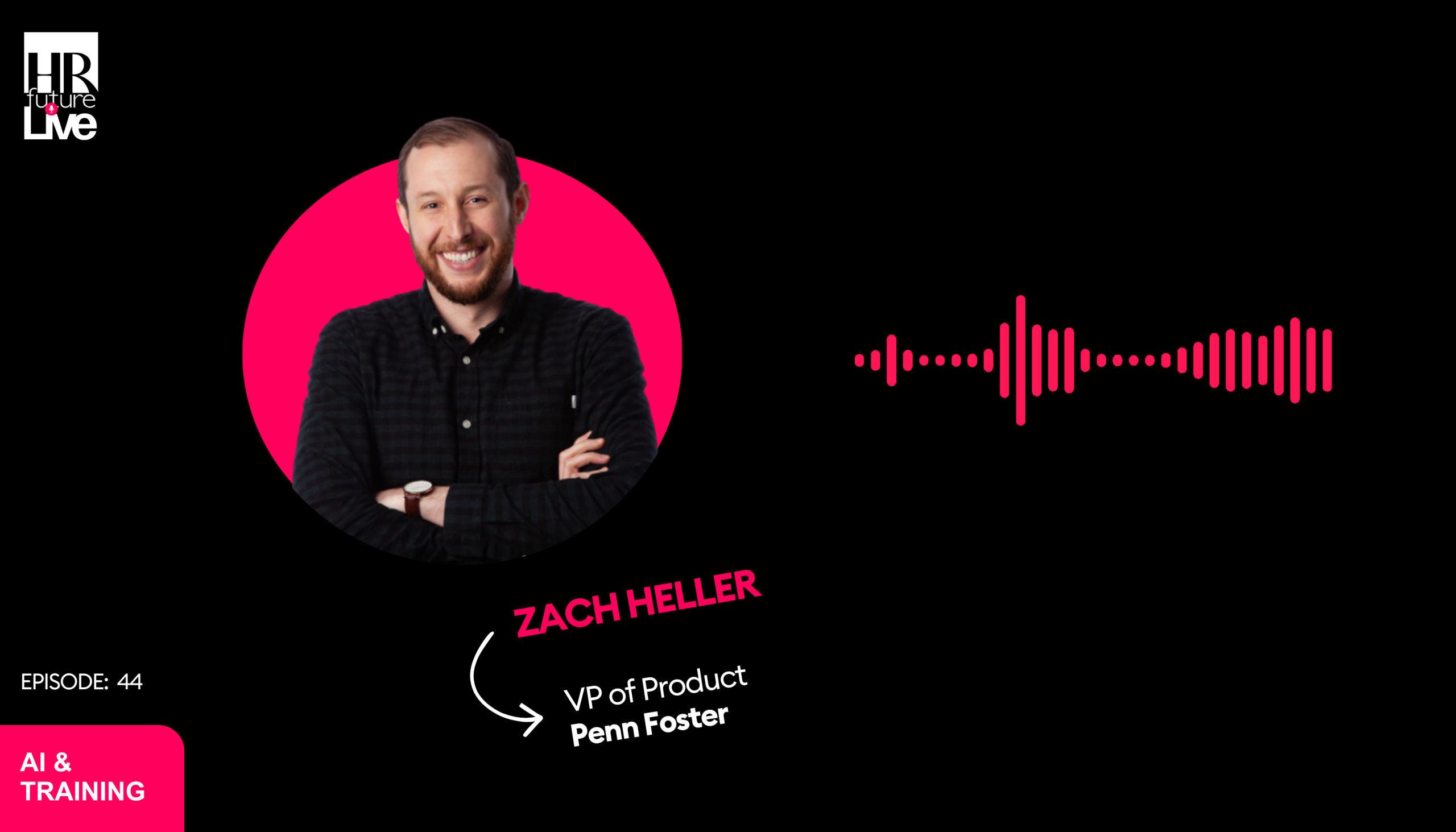
In a recent episode of the HR Future Live podcast, Zach Heller, VP of Product at Penn Foster, sat down with Alan to discuss how the rise of AI and changing employer demands are forcing a radical rethink of training and hiring. For CHROs, the message is clear: the future of work isn’t just about where someone went to school, but what they can actually do.
The New Vulnerability: Why White-Collar Isn’t Always “Safe”
We’ve entered an era where traditional “office jobs” are increasingly susceptible to automation. Technologies like ChatGPT and Claude are now performing tasks historically reserved for human workers.
However, this shift isn’t a simple replacement of humans; it is a redistribution of value. Hiring demand is surging in fields that require physical dexterity, human judgment, and interpersonal trust, skills that AI cannot yet replicate.
-
Resilient Sectors: Healthcare (medical assistants, phlebotomists, surgical technicians) and skilled trades.
-
The Shift: Employers are moving away from hiring based on pedigree and toward hiring for resilient skills that involve hands-on or interpersonal work.
Practical Wisdom: Implementing a “LADS” Learning Model
If your organization’s internal training feels like a “static” experience, reading passages and taking multiple-choice quizzes, it is likely failing to produce true skill development. Heller suggests moving toward the LADS model to improve engagement and completion rates:
-
Learner-Centric: Focus on the individual’s existing life experiences and how they translate to new careers.
-
Active: Replace passive reading with simulations and scenario-based assessments where learners “learn by doing”.
-
Authentic: Ensure training mirrors the actual tasks and environments of the job.
-
Differentiated: Use adaptive learning technology to meet employees where they are, reacting to their individual progress.
-
Skills-Based: Measure success by skill mastery – what can they do now that they couldn’t do before?.
3 Solutions for the Modern CHRO
1. Close the Employer-Provider Feedback Loop
The pace of change is currently underestimated by many. Training programs often become outdated because they are treated as “done” once launched. The Strategy: Establish direct, recurring feedback loops with your training providers. If your curriculum hasn’t evolved in the last 12 months to include AI-augmentation or new industry credentials, your pipeline is already leaking.
2. Embrace “Learning by Doing” Online
While hands-on trades require physical practice, technology now allows for high-quality “digital apprenticeship”. The Strategy: Invest in scenario-based assessments where learners receive real-time feedback. This allows for “scale” without losing the ability to practice and apply knowledge.
3. Pivot from AI Resistance to AI Integration
The initial “existential threat” phase of AI, where the focus was on preventing cheating, is over. The Strategy: Embed AI tools directly into your training programs. Employees need a baseline understanding of how to leverage these tools to be more effective in their specific professions.
The Most Underrated Metric: Skill Mastery
CHROs have traditionally looked at completion rates and grades. While completion is a vital “North Star,” it isn’t the ultimate goal for the business. The real metric that drives economic value for the company is skill mastery.
“It’s about what can learners do when they finish your programme that they couldn’t do at the beginning.” – Zach Heller
Summary for the C-Suite
The future of education is dynamic. To stay competitive, CHROs must:
-
Acknowledge alternative pathways: Stop viewing the four-year degree as the only route to a “family-sustaining job”.
-
Incentivize Behavior Change: Remind learners how a new skill will change their lives to harness their intrinsic motivation.
-
Adopt Adaptive Learning: Move from static content to personalized, interactive experiences that evolve as quickly as the market does.
About the Expert
Zach Heller is the VP of Product at Penn Foster, an online education provider based in the New York City metropolitan area. With a career focused on bridging the gap between education and employment, he oversees programs that support over 200,000 learners annually and manages partnerships with over 7,000 employers and educators. Zach is a passionate advocate for skills-based hiring and developing resilient career pathways in an age of rapid technological change.