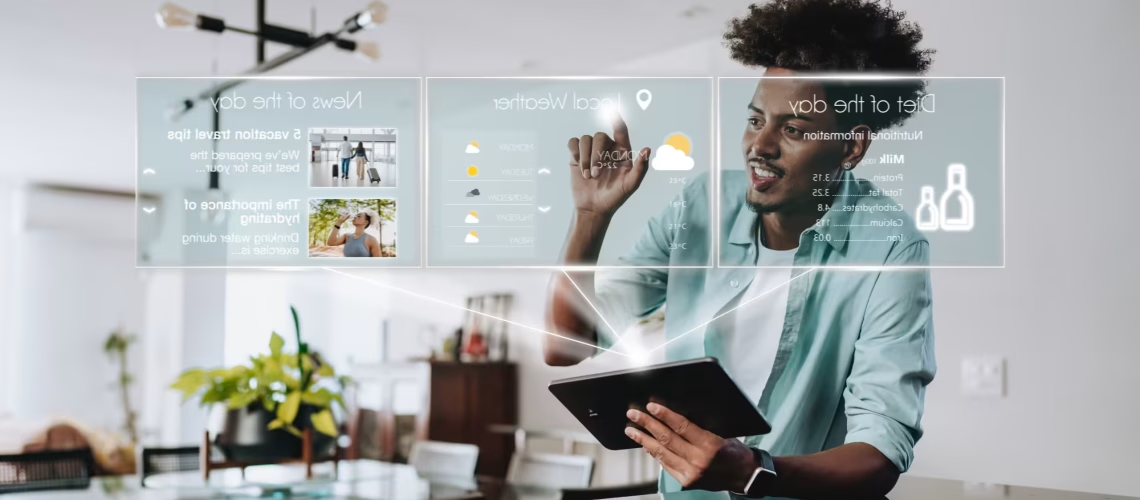
Today’s work environment is characterized by increasing dynamism and complexity, and consequently, the definition of efficiency used by organizations changes with time. Traditionally, efficiency was understood as the number of tasks completed by workers within a specified period. However, it has recently become clear that there are some limitations to this definition of efficiency, since completing a task fast does not guarantee achieving consistent or sustainable results.
Innovative businesses adopt a different approach to achieving higher productivity. Rather than performing separate tasks, they focus on building systems that continue operating constantly in the background. Such systems do not require permanent human attention since they remain stable, flexible, and resistant to repeated interference.
Why Efficiency Cannot Be Achieved Simply Through Task Performance
When we imagine productivity as an attribute associated with efficiency, we think about assigning a responsibility and doing it as fast as possible. However, it often happens that conditions change after completing a task, and the problem appears again.
The result is an endless cycle of reaction rather than maintenance. The issue isn’t about the amount of effort that is being put into something, but about how work is structured to allow space between actions. In the long run, the inconsistency and need for repetition will lead to additional work and pressure for teams.
How Efforts Can Replace the System Design
A lot of organizations rely on the idea of putting in more effort by having their team members work more, work for longer hours, or go through processes multiple times. It might be an easy, quick fix at first, but it will not help when there is no way to create consistent results without increased effort.
Continuous Systems Start to Emerge in a Nonstop World
Contemporary work environments begin to change their approach to tasks and projects. They stop treating work as a number of actions and start creating consistent systems to manage projects.
These systems are capable of adapting instantly and proactively managing situations. The idea behind such work environments is to ensure consistent productivity without having someone to oversee the process all the time.
How Automation Helps in Continuous System Implementation
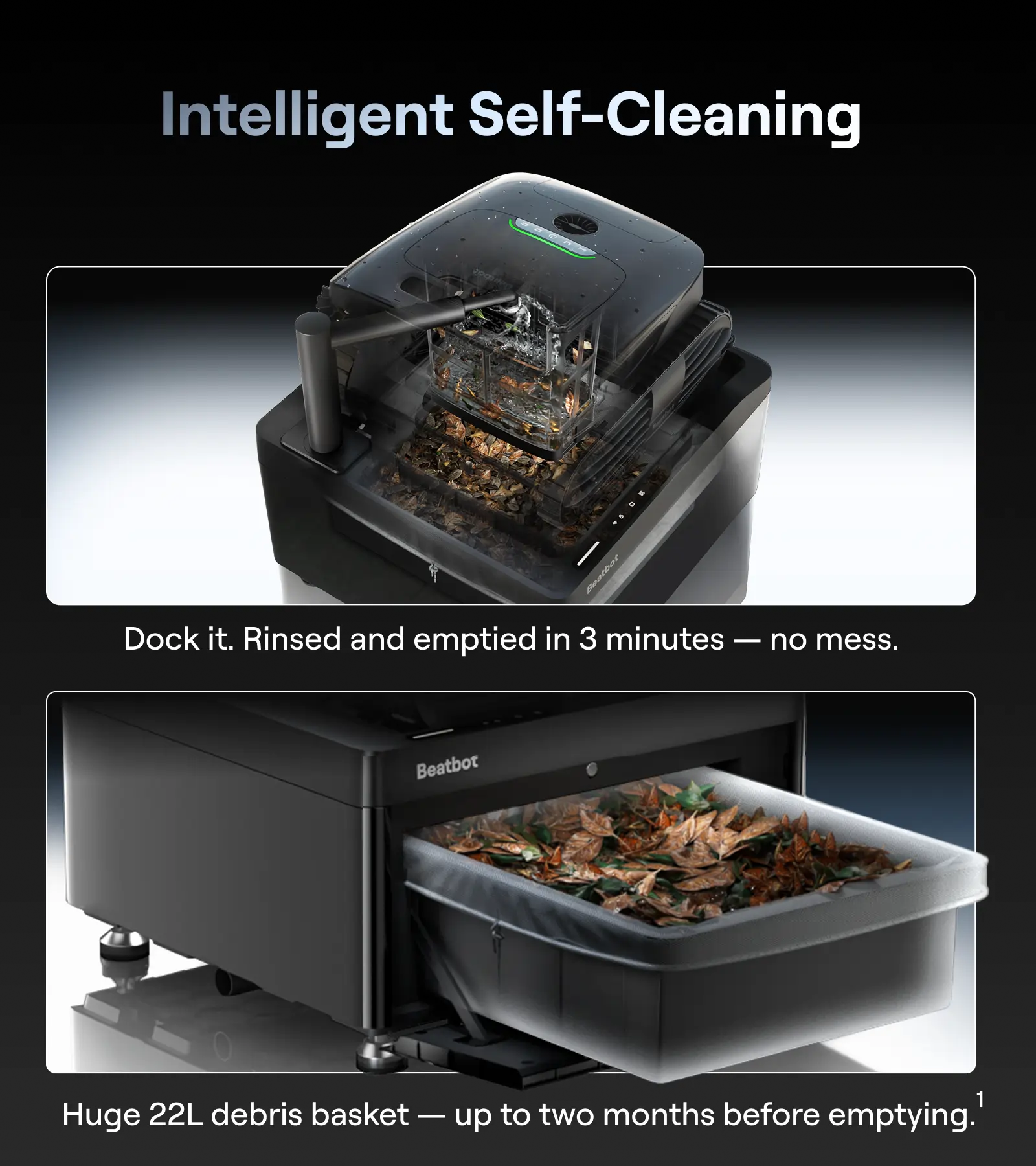
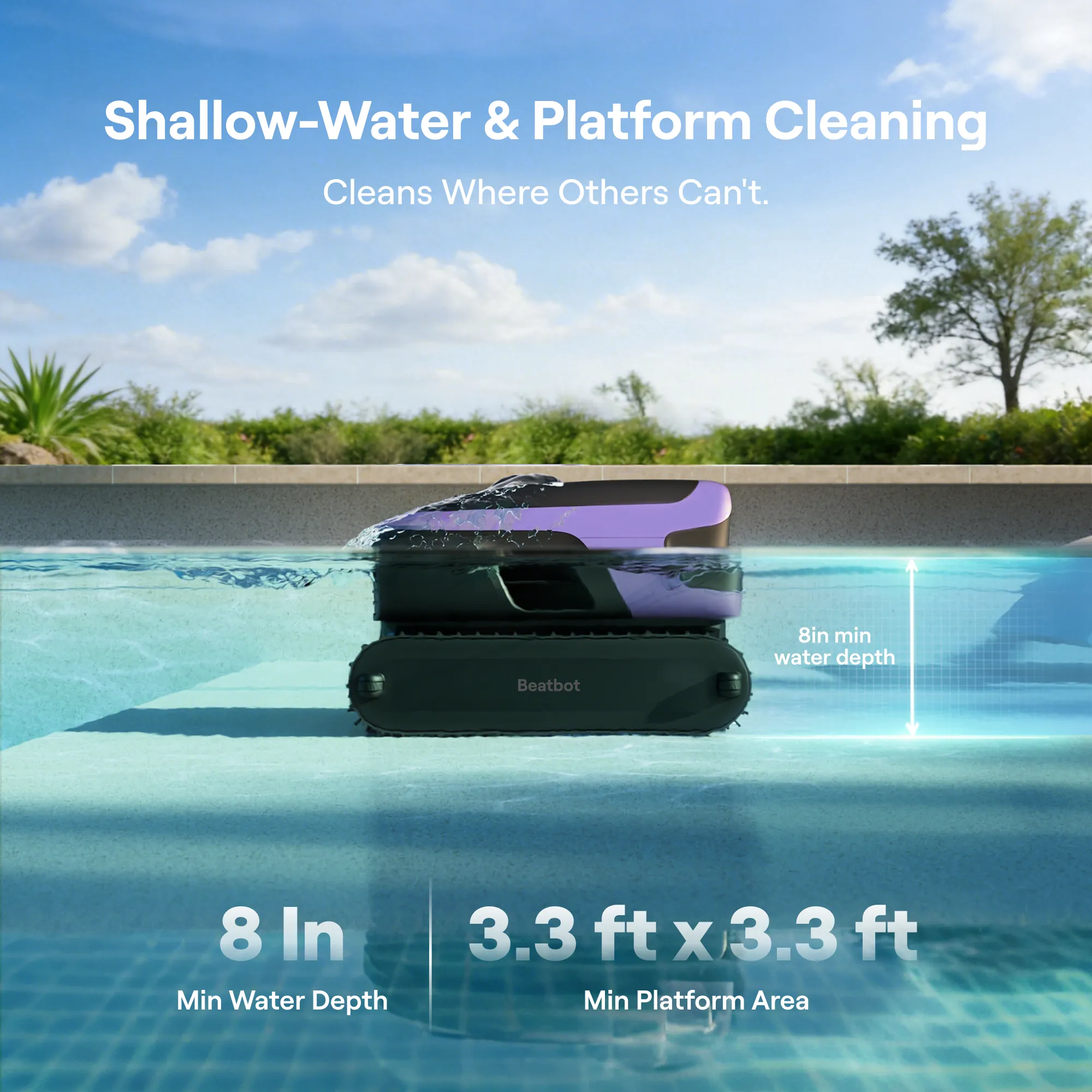
Automation is an integral component of developing continuous systems, eliminating the necessity for manual repetition and ensuring the process continues while other aspects receive attention. For instance, an pool auto vacuum for swimming pools shows how automation maintains consistent states independent of repetitive intervention. Although this might not appear significant, its relevance to workplace development is noteworthy.
Efficiency in Operation Through System Functioning
Some of the most impressive applications of systems in creating efficiencies emerge outside the context of conventional offices. In operational spaces, systems must be continuous since conditions are constantly shifting, making them impossible to control through episodic interventions alone.
Above ground pool cleaners robotic show how systems can automate maintenance, delivering constant results without requiring human interaction. Such technologies work independently of schedule and reminders; they are inherent parts of their operating environment.
Implementing these Lessons in Workplace Strategy
From a strategic point of view, these lessons suggest that organizations should consider systems that ensure continuity in their operations. Processes and employee management systems will deliver greater efficiencies by being sustainable within themselves.
This strategy not only enhances results but minimizes the amount of mental labor required from workers, enabling them to concentrate on more substantial assignments.
Creating Workflows That Adapt to Change, Not React to Problems
The primary strength of system-based workflows lies in their adaptability. In an environment where change is inevitable, systems that merely react to problems often fall behind. By the time the problem is addressed, more issues may arise.
However, continuous systems have been created to adapt to changes that may come. Consistent and flexible – these two properties help create a better design.
Consistency as the Measure of Efficiency
Businesses that focus on creating consistency have more chances than those that focus only on productivity. In such cases, they can ensure quality, avoid mistakes, and perform tasks without any fear. Above-ground pool cleaners and robotic solutions prove that consistent operation can be provided through advanced technologies, which may be very useful for organizations today.
Conclusion
Thus, the key shift in contemporary workplaces does not relate to productivity – it refers to structure and workflow. By replacing inefficient task-based models, businesses can make work more effective, productive, and consistent.
Understanding principles of continuous systems, including examples of above-ground pool cleaners or pool auto vacuum robotic devices, organizations will be able to design a more successful future.
Guest writer