
Have you ever downloaded an app, used it for only two days and then completely forgotten that you even had it?
It’s a relatable situation, isn’t it? In a world full of digital pings, screen tiredness and regular messages, our brains have become experts at muting out the noise. When a habit reminder pops up right next to a work email or a text message, you swipe it away.
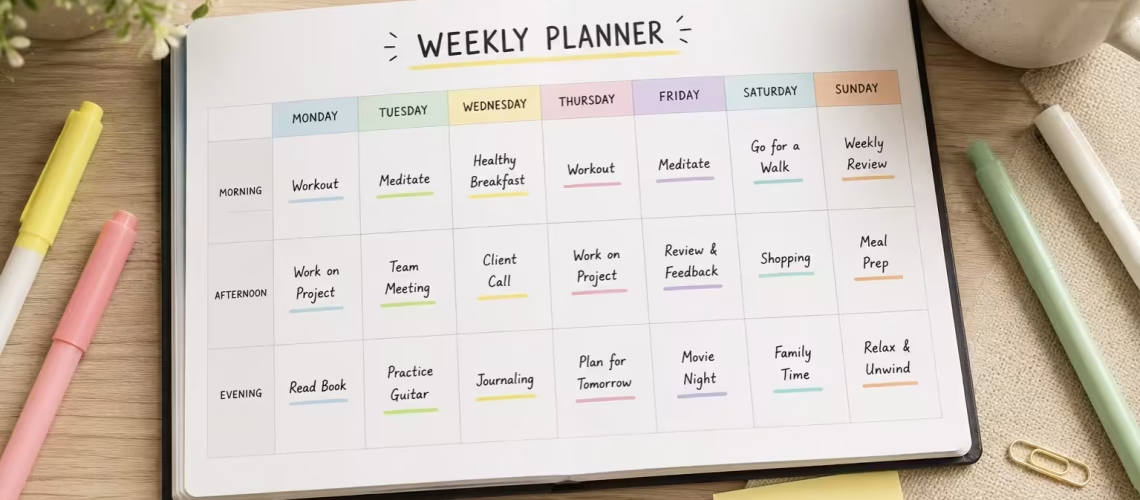
That is one reason many people continue to rely on paper planners despite the growing number of digital productivity tools available. If you genuinely want to become more productive, learning how to use a weekly planner is an absolute game-changer. A tangible page is present on your desk, stares back at you and requires your attention. It transforms abstract goals like “eating healthier” or “working out” into concrete, visual appointments with yourself.
Let us break down exactly how to turn a simple printable sheet into a powerful engine for building better daily habits:
1. The Psychology of Why Paper Wins
There is a massive psychological difference between tapping a glass screen and physically pressing ink into paper. According to neuroscience research published by the National Institutes of Health (NIH), handwriting activates far broader networks in your brain related to memory and information encoding than typing does.
When you write something, you start a procedure in your brain called encoding. It deepens your focus and signals to your mind that this specific action actually counts.
Plus, the dopamine hit of pulling out a pen and drawing a physical ‘X’ through a completed habit box is unmatched. Digital checkboxes do not give you that same feeling of satisfaction. A printable layout transforms your daily consistency into an absolute, physical record of your hard work.
2. Setting Up Your Weekly Strategy
To make this system work, you cannot only write a messy laundry list of tasks and hope for the best. You need a simple, structured approach.
First, identify your “keystone habits.” If you try to change your whole life overnight by tracking twelve various things, you will quickly burn out. Here are a few amazing examples to start with:
- Drinking 3 liters of water daily.
- Morning or evening walk for atleast 30 minutes everyday.
- Reading 10 pages of a book before sleeping.
Knowing how to use a weekly planner effectively means assigning specific zones on your page for your routine tracking. Do not mix your grocery list with your meditation goals. Use a clean, dedicated weekly planner template that provides distinct blocks for each day and a dedicated sidebar for your habit checkboxes.
Finally, apply “habit stacking.” It means trying a new habit to an existing one. Rather than writing down an unclear goal like “meditate,” write “Meditate for 15 minutes right after having morning coffee” directly into your planner’s morning block.
3. Zooming Out: Aligning Months with Weeks
Habits do not form in isolation; they help achieve major, month-long goals. So when you worry that the weekly workload is exhausting, you should organize your daily tasks to match your overall schedule.
Before you map out what’s coming in your next few days, pause and glance at your macro schedule. For example, setting up a clear layout, like a printable calendar for June 2026, allows you to spot upcoming travel, holidays or important work deadlines well in advance.
If you see a chaotic, travel week in the middle of the month, you can proactively adjust your expectations. Rather than blaming yourself up for failing to stick to a heavy gym routine during a trip, you can use your weekly layout to shift toward a more natural habit, like a short morning stretch. Aligning your weekly sheets with your monthly calendar confirms you will be consistent and productivity will enhance.
4. Defeating the Mid-Week Slump
Almost everyone starts Monday with high-energy vibes. The actual test of habit formation occurs on Wednesday and Thursday when life gets messy, work gets busy and exhaustion sets in.
When you learn how to use a weekly planner, you start to use it as an emotional buffer on those tough days. If you forgot to implement a task say on a random Wednesday, do not postpone other tasks you had planned for the week. Write a small note explaining why it occurred and apply the “Never Miss Twice” rule.
Missing a task one day is an accident; missing two days is the start of a bad habit. Use the visual layout of your remaining days to plan a comeback for Friday intentionally. Maintain your momentum going, look at the big picture and concentrate on progress over perfection.
Your Turn to Build Better Days
Building better habits does not require complicated, expensive digital software or subscription apps. It requires absolute clarity, high visibility and a physical tool that keeps you totally grounded. By taking only 10 minutes every Sunday evening to print a fresh page, select your core focus areas and map them alongside your monthly commitments, you take total control of your time.
Ready to level up your routine and design a life you love? Visit CalendarKart now, download the perfect printable layout and start building your daily habits today!
Guest writer