Modern workplaces are evolving rapidly as businesses look for ways to improve efficiency, reduce environmental impact, and create more resilient operations. Sustainable energy systems and flexible storage solutions are becoming central components of this transformation. By combining renewable energy technologies with smarter space management strategies, organizations can reduce costs, improve operational reliability, and support long-term sustainability goals.
Companies across various industries are now integrating renewable power sources, energy storage technologies, and improved infrastructure planning into their workplace environments. These changes not only benefit the environment but also help businesses operate more efficiently in an increasingly competitive and resource-conscious world.
Workplace Infrastructure and Storage Planning
Efficient workplace operations often depend on how well businesses manage physical space. Equipment, materials, and operational supplies must be stored safely while remaining accessible when needed. As organizations grow, storage requirements can change significantly, particularly for companies managing tools, inventory, or project materials.
When evaluating different storage approaches, many organizations review resources such as WheeKeep to better understand how storage solutions differ depending on operational needs. Commercial storage environments are typically designed for businesses that require larger storage capacity or specialized facilities, while personal storage units are more commonly used for smaller-scale storage requirements.
Choosing the right storage structure allows businesses to maintain organized workspaces while ensuring that equipment and materials remain secure.
Renewable Energy in the Workplace
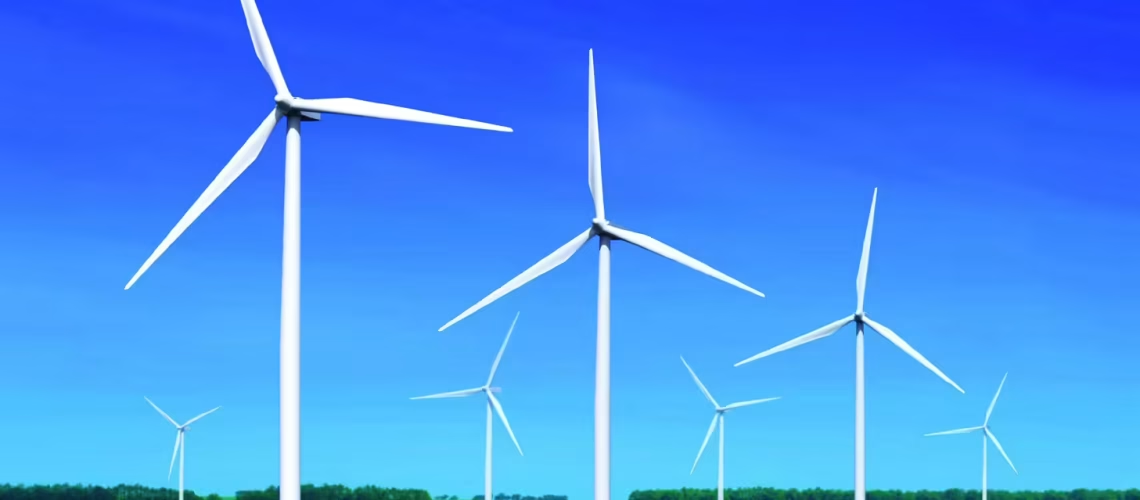
Renewable energy is becoming an increasingly common feature of modern workplaces. Solar power systems, energy-efficient lighting, and smart building technologies allow businesses to reduce electricity consumption while lowering operating costs.
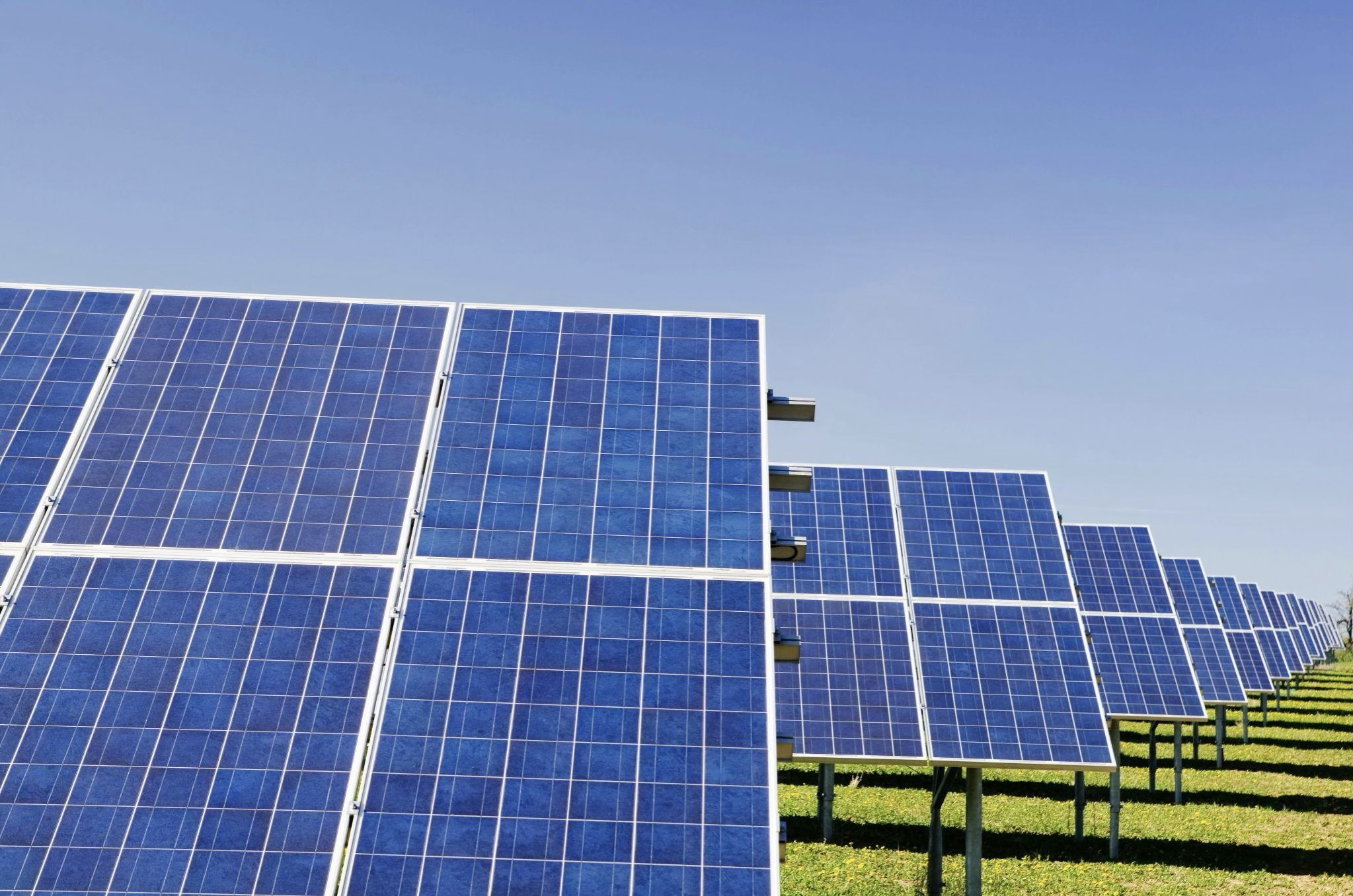
Solar energy is particularly attractive because it can be deployed across many types of buildings, from offices and warehouses to manufacturing facilities. Rooftop solar panels convert sunlight into electricity that can be used to power lighting systems, equipment, and other workplace infrastructure.
For companies operating in remote areas or seeking additional energy independence, solar energy systems provide a practical way to generate electricity without relying entirely on traditional power grids.
Solar Equipment and Off-Grid Solutions
Solar systems require specialized components such as photovoltaic panels, charge controllers, batteries, and inverters. These components work together to capture solar energy, convert it into usable electricity, and store excess power for later use.
Businesses exploring solar solutions often consider equipment such as rich solar systems when researching off-grid and hybrid power options. Solar equipment can support workplace energy needs by providing renewable electricity for lighting, tools, and operational equipment.
In addition to reducing energy costs, solar systems can provide backup power during grid outages, allowing businesses to maintain operations during disruptions.
Energy Storage and Workplace Reliability
Photo by Zbynek Burival on Unsplash
Energy storage systems are an important part of modern renewable energy infrastructure. Batteries allow organizations to store excess energy generated during peak production periods and use it later when energy demand increases or when sunlight is unavailable.
This capability improves energy reliability and helps businesses manage electricity consumption more effectively. Energy storage systems can also help reduce strain on local power grids during periods of high demand.
In workplaces that rely on critical equipment or sensitive technology, reliable energy supply is essential. Battery storage systems ensure that operations can continue even when external power supplies are temporarily unavailable.
Sustainability Goals and Corporate Responsibility
Many companies are adopting sustainability initiatives as part of broader corporate responsibility programs. These initiatives often focus on reducing greenhouse gas emissions, improving energy efficiency, and minimizing environmental impact.
Renewable energy systems and sustainable workplace infrastructure support these goals by reducing reliance on fossil fuels and lowering overall energy consumption.
Businesses that invest in sustainable technologies may also benefit from improved brand reputation, as customers and partners increasingly value organizations that prioritize environmental responsibility.
Smart Buildings and Energy Management
Technology is playing a growing role in how workplaces manage energy and infrastructure. Smart building systems use sensors and automation to monitor lighting, heating, cooling, and energy usage throughout a facility.
These systems can automatically adjust energy consumption based on occupancy levels, time of day, or environmental conditions. For example, lighting systems may dim automatically when natural sunlight is available, or heating systems may adjust when fewer employees are present in the building.
By combining renewable energy with smart building technologies, organizations can create workplaces that operate more efficiently while minimizing wasted resources.
Integrating Storage and Energy Systems
The integration of storage and energy systems is becoming increasingly important as businesses seek to optimize their infrastructure. Efficient storage facilities allow companies to manage physical resources effectively, while renewable energy systems power workplace operations.
When these systems work together, businesses can create resilient operational environments that support both sustainability and productivity.
For example, warehouses or equipment storage facilities powered by solar energy can reduce operational costs while maintaining reliable power for lighting, security systems, and automated equipment.
The Future of Sustainable Workplaces
Sustainable workplace design is expected to continue evolving as new technologies emerge. Advances in solar efficiency, battery storage, and smart infrastructure will likely make renewable energy solutions even more accessible for businesses of all sizes.
Workplaces may increasingly incorporate integrated energy systems that combine renewable generation, energy storage, and intelligent monitoring to optimize energy use throughout the day.
As organizations continue to prioritize sustainability and efficiency, renewable energy and smart storage solutions will play an increasingly important role in shaping the workplaces of the future.
Guest writer