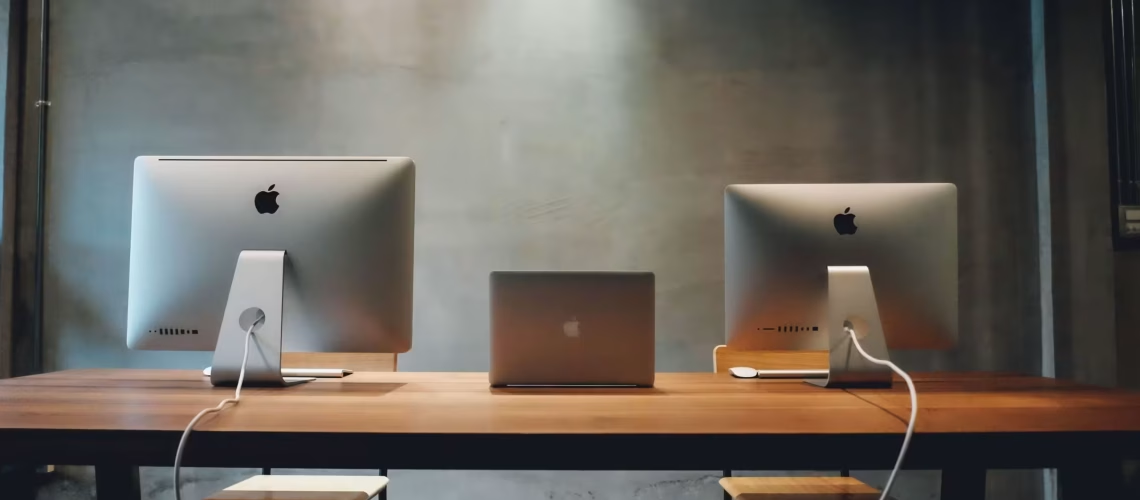
Office renovations change how people feel about their daily work. HR teams must lead the way during these projects. A well-planned update can improve morale and efficiency.
Every choice made during construction affects the culture of the team. HR leaders need to look past the floor plans to see the human impact. Balancing budget and comfort is a difficult task. Success comes from listening to staff needs and planning for common hurdles.
Aligning Renovations With Company Culture
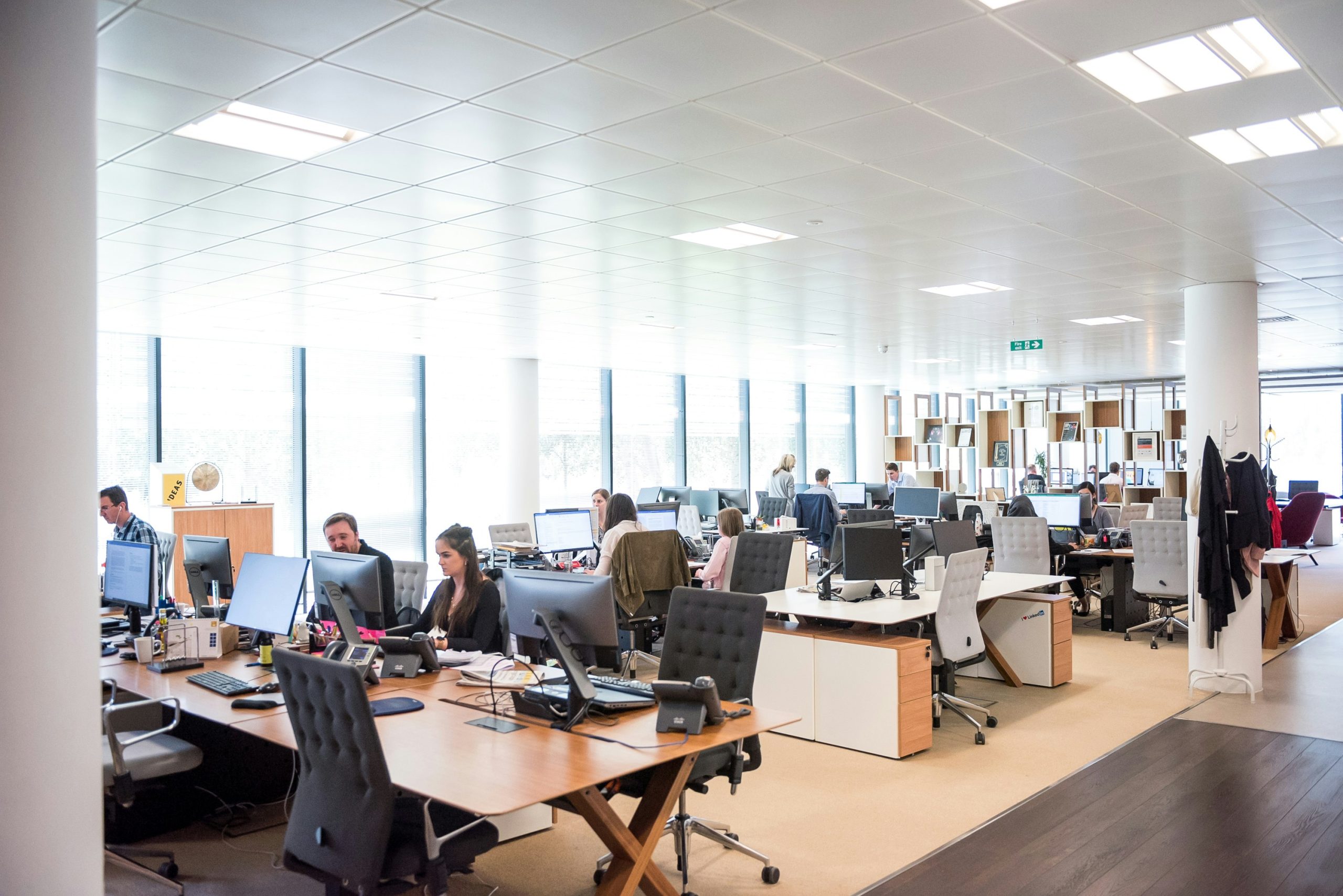
Physical spaces represent what a company values. Open layouts might suggest a focus on teamwork and shared ideas. Private offices might show a focus on deep focus and individual work. HR professionals should evaluate the current culture before moving any walls.
Teams need to feel like the space was built for them. A renovation should support the way departments interact every day. If teams are siloed, the new layout could build bridges between them. Decisions about the office environment send a message to the staff.
Prioritizing Health And Safety Measures
Maintaining a safe environment is the top concern for HR during construction. Hiring reliable commercial painting contractors keeps the project moving without putting staff at risk. Safety experts can manage dust levels and chemical exposure during the day. Workers need to know their health is protected, even during minor cosmetic changes.
Protecting staff means managing indoor air quality, too. Fumes from materials can cause headaches or discomfort for sensitive employees. HR should coordinate with builders to schedule heavy work after hours. Safe paths must remain open for everyone in the building.
Leveraging Technology And Innovation
New tools are making it easier to plan modern office spaces. Around 54% of workers across all industries have used AI in the last year. Such tools can help HR teams analyze how people move through the building. Data can show which areas get the most traffic and which stay empty.
Software allows teams to see a 3D model of the new office before it is built. Employees can even give feedback on digital designs. Tech should support the human side of the business. Using data keeps the project on track and within budget.
Designing For Diversity And Inclusion
Inclusion must be at the center of every renovation plan. Supporting mental health and diversity is a major priority for HR professionals. A workspace should accommodate every person regardless of their physical abilities. Design choices include installing ramps and widening doorways where needed.
Universal design benefits everyone in the company. Gender-neutral restrooms and prayer rooms show that a business respects all backgrounds. HR can advocate for these features during the planning phase. Every staff member deserves a space where they feel safe and comfortable.
Transitioning To In-Person Collaboration
The number of workers required to be in the office regularly grew to 75% late in 2024. HR must handle the emotions that come with this change. A renovated office can make the transition easier by offering better amenities than a home office. Great coffee stations and comfortable chairs can draw people back in.
HR should create policies that balance in-office time with remote options. The physical space must support this hybrid model with hot desks and video booths. Communication manages expectations about the new schedule. Clear rules prevent confusion as people get used to the new layout.
Managing The Noise And Disruption
Construction noise is the biggest complaint during a renovation. HR needs a plan to keep the peace while the hammers are swinging.
- Move loud work to the early morning or late evening.
- Set up temporary work zones in quiet parts of the building.
- Distribute earplugs or noise-canceling gear to affected teams.
- Allow remote work on days when heavy drilling happens.
Productivity does not have to stop during a build. Keeping the team informed about the noise schedule reduces frustration. People can plan their meetings around the loudest parts of the day. HR should be ready to hear complaints and find fast solutions. A little bit of flexibility goes a long way.
Improving Employee Wellness Through Design
Modern office designs prioritize well-being. Ergonomic desks prevent injuries and keep people comfortable. Natural light boosts mood and energy. HR should push for more windows or skylights in the new plan. A healthy staff is a more productive staff.
Adding greenery can lower stress levels, too. Plants improve air quality and make the office feel more inviting. Break rooms should be spaces where people can relax. Soft seating and calm colors create a restful atmosphere. Wellness is an investment that pays off in the long run.
Communication And Feedback Loops
Keeping people in the loop is the best way to manage a renovation. Regular updates prevent rumors and reduce anxiety about the changes.
- Post a weekly email with photos of the progress.
- Hold Q&A sessions where staff can ask about the layout.
- Use stickers or signs to mark where new features will go.
- Gather feedback after the project is done.
Listen to what people want before the final plans are signed. Transparency builds a stronger team culture. People feel valued when their voices are heard.
Budgeting For Personnel Costs
Renovations cost more than just wood and nails. HR must account for the time staff spend planning and moving. Temporary office rentals or storage units can add up quickly. Set aside a $2000 buffer for unexpected needs. Managing these costs keeps the project from hurting the company’s operations.
Productivity might dip during the move, so HR should plan for that. Extra support or temporary hires can fill the gaps. Moving day should be organized to minimize downtime. Provide lunch or snacks for the team on the day of the big move. Small gestures keep spirits high during a stressful transition.
Renovating a workspace demands careful planning. HR professionals are the guides who help the team navigate the changes. Focusing on safety, inclusion, and communication makes the process smoother.
The end goal is a space where every employee can succeed. A great office is more than a building: it is the heart of the company culture.
Allen Brown is a dad of 3 kids and is a keen writer covering a range of topics such as Internet marketing, SEO and more! When not writing, he’s found behind a drum kit.