
Introduction: The “Return to Office” Stalemate
For many HR leaders, the past two years have felt like an endless negotiation.
Hybrid schedules. Flexible hours. Office redesigns. Wellness initiatives. And yet, resistance to Return-to-Office policies remains stubbornly high.
What often gets overlooked is that employees aren’t rejecting the office itself.
They’re rejecting the experience of getting there.
It’s Monday morning. The alarm goes off. Not dread of work—but dread of traffic. A calendar reminder says “9:00 AM,” while the navigation app says “ETA: Uncertain.” Two miles from the office, brake lights stretch endlessly. The clock hits 8:55.
This is where morale breaks.
Survey after survey shows commuting stress as a top driver of burnout, attrition, and quiet quitting. Yet most RTO discussions stop at when employees work—not how they arrive.
HR has a blind spot.
To truly unlock retention in a post-remote world, organizations must address the most painful, overlooked friction point in modern work life: the last five miles.
Deconstructing the “Last Five Miles” Stress
Public transportation is often positioned as the sustainability solution. In reality, it only solves part of the problem.
Trains and buses rarely drop employees at the front door. The final stretch—between station and office park—is often exposed, unsafe, or simply inefficient. In suburban campuses, it may involve crossing wide roads, navigating potholes, or walking long distances in heat or rain.
For drivers, the problem is different but equally corrosive.
The last mile becomes a slow crawl through parking structures. Circling. Waiting. Competing for spaces. A ten-minute drive turns into a forty-minute ordeal.
This is where micro-mobility enters the corporate conversation—not as a lifestyle toy, but as infrastructure.
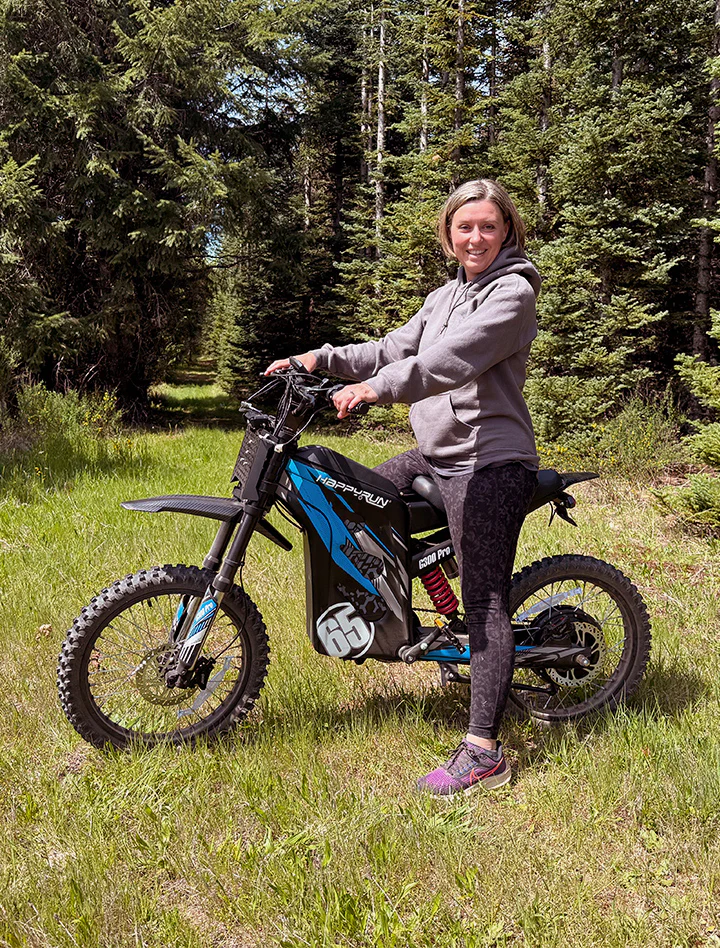
A modern electric dirt bike platform handles uneven pavement, curbs, shortcuts, and mixed surfaces far better than scooters or bicycles. It bridges the gap between transit and desk, collapsing stress into minutes instead of half-hours.
What looks like a small distance on a map is often the biggest emotional barrier to showing up.
Financial Wellness: The Hidden Cost of Commuting
From an HR perspective, commuting is no longer just a logistics issue.
It’s a compensation issue.
Fuel prices fluctuate. Parking fees rise quietly. Insurance premiums never fall. Maintenance is constant. Asking employees to return to the office without addressing these costs is, in effect, a pay cut.
Smart organizations are starting to see this clearly.
Instead of expanding car allowances, some are redirecting benefits toward green mobility subsidies. The logic is simple: reduce ongoing expenses instead of reimbursing inefficiency.
This is where the term cheap electric motorcycle needs reframing.
“Cheap” does not mean low quality. It means fiscally rational.
Compared to a $40,000 vehicle with monthly fuel and insurance burn, a high-performance electric two-wheeler offers predictable, minimal operating costs. Electricity replaces gasoline. Maintenance drops dramatically. The financial pressure on employees eases.
For HR leaders focused on financial wellness, this is not a perk—it’s a retention lever.
Reclaiming Time: The Mental Health Argument
Commutes don’t just drain wallets. They drain emotional bandwidth.
Traffic spikes cortisol. Noise, congestion, and unpredictability put the nervous system into a constant state of alert. By the time employees arrive, they are already exhausted.
Open-air micro-mobility flips this equation.
Riding creates a buffer—a decompression zone—between work and home. Wind replaces exhaust. Motion replaces stagnation. The brain shifts gears naturally.
Employees who arrive alert and calm perform better. They leave work with closure instead of residual stress. Over time, this reduces burnout and absenteeism.
Mental health programs often focus on what happens inside the office.
But the commute determines the emotional state employees bring into it.
The Corporate Fleet Solution: HappyRun G300 Pro
If HR is going to recommend a commuting tool, it must meet a higher standard than consumer gadgets.
It needs to be safe in traffic. Reliable across weather and terrain. And capable of integrating into real urban flow.
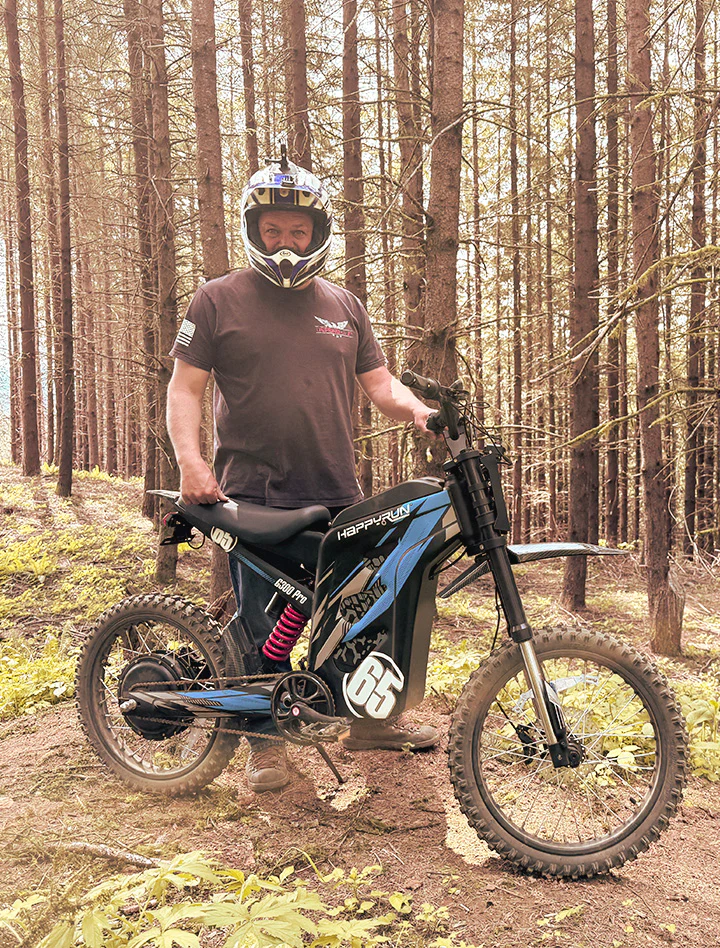
This is where the HappyRun G300 Pro becomes relevant—not as a lifestyle product, but as a practical commuting asset.
- First, speed for safety.
With a top speed of 50 MPH, it can match city traffic rather than becoming a rolling obstacle. Slow scooters increase risk; flowing with traffic reduces it. - Second, range for reality.
Its 72V 30Ah battery delivers up to 70 miles, enough for round trips, mid-day errands, and unexpected detours without range anxiety. - Third, power for reliability.
The 6500W motor handles elevation, wind, and uneven roads with consistency—critical in cities like San Francisco, Austin, or Houston.
From an ROI perspective, the math is straightforward. For a fraction of the cost of a car subsidy, an employer enables stress-free, predictable commuting for an individual employee.
The vehicle disappears into the background. The benefit—reduced friction—does not.
Implementation: What HR Needs to Do
Mobility support cannot be symbolic. It requires infrastructure.
Secure bike storage matters more than slogans. Theft anxiety undermines adoption instantly.
Charging outlets are as essential as Wi-Fi.
End-of-trip facilities—lockers, showers, safe helmet storage—signal seriousness.
Policy alignment matters too. Dress codes must accommodate protective gear. Insurance frameworks need updating. These details are today’s version of what ping-pong tables were a decade ago: signals of cultural intent.
Conclusion: Mobility Is a Perk
Flexible work isn’t just about Zoom links and calendar autonomy. It’s about how people move through their day.
The last five miles of commuting define whether employees arrive resentful or ready. By addressing that gap, HR leaders don’t just solve logistics—they unlock goodwill.
Supporting electric mobility reduces carbon footprints, eases financial pressure, and improves mental health in one move.
Don’t just ask employees to come back.
Give them a better way to get there.
Guest writer