Business casual has become one of the most common workplace dress codes, yet it remains one of the most misunderstood. Many professionals appreciate the flexibility it offers compared to traditional corporate attire, but that flexibility often leads to confusion. What one person considers business casual may look too formal to a colleague and too relaxed to a manager.
The challenge is that business casual is not a fixed set of clothing items. Instead, it is a standard built around professionalism, appropriateness, and context. While workplaces continue to evolve, maintaining a polished appearance still matters. Understanding the most common mistakes professionals make can help employees strike the right balance between comfort and credibility.
Assuming Business Casual Means Casual
One of the biggest misconceptions is that business casual is simply casual clothing worn in an office. This often leads people to choose items that are better suited for weekends than workplaces.
Business casual still requires a professional appearance. While dress codes may permit more relaxed clothing than a formal corporate environment, employees should avoid treating the office like an extension of their living room.
Common mistakes include:
- Wearing overly distressed jeans
- Choosing graphic T-shirts
- Wearing athletic clothing
- Opting for overly casual sneakers
- Dressing without considering the workplace environment
Instead, professionals should focus on clothing that looks intentional and well-maintained. Chinos, tailored trousers, collared shirts, blouses, knitwear, and structured footwear generally align more closely with business casual expectations.
Ignoring Company Culture
A mistake many professionals make is assuming that business casual looks the same everywhere. In reality, company culture plays a major role in defining acceptable workplace attire.
A technology startup may embrace a relaxed interpretation of business casual, while a financial services firm may expect a more polished appearance. Employees who fail to observe workplace norms can unintentionally appear out of touch with their organization’s culture.
When starting a new role, pay attention to how managers, team leaders, and client-facing employees dress. Their choices often provide a practical guide to what is expected within the organization.
Understanding the culture allows professionals to adapt their wardrobe while maintaining their personal style.
Overlooking the Importance of Fit
Even expensive clothing can look unprofessional if it does not fit properly. Fit is one of the most overlooked aspects of workplace attire, yet it has a significant impact on overall appearance.
Clothing that is too loose can appear sloppy, while overly tight garments may look inappropriate in a professional setting. Business casual works best when clothing follows a clean, tailored silhouette without appearing restrictive.
Professionals should pay attention to:
- Shirt Fit: Collars should sit comfortably around the neck, and sleeves should end near the wrist without excessive bunching.
- Trouser Fit: Pants should offer a comfortable fit while maintaining structure. Excess fabric around the ankles or waist can detract from an otherwise polished look.
- Layering Pieces: Blazers, cardigans, and sweaters should complement the outfit rather than overwhelm it.
Small adjustments from a tailor can often make a noticeable difference and help clothing look more refined.
Forgetting That Details Matter
Many professionals focus on major wardrobe pieces while overlooking the smaller details that complete an outfit. Yet accessories and finishing touches often contribute to the overall impression.
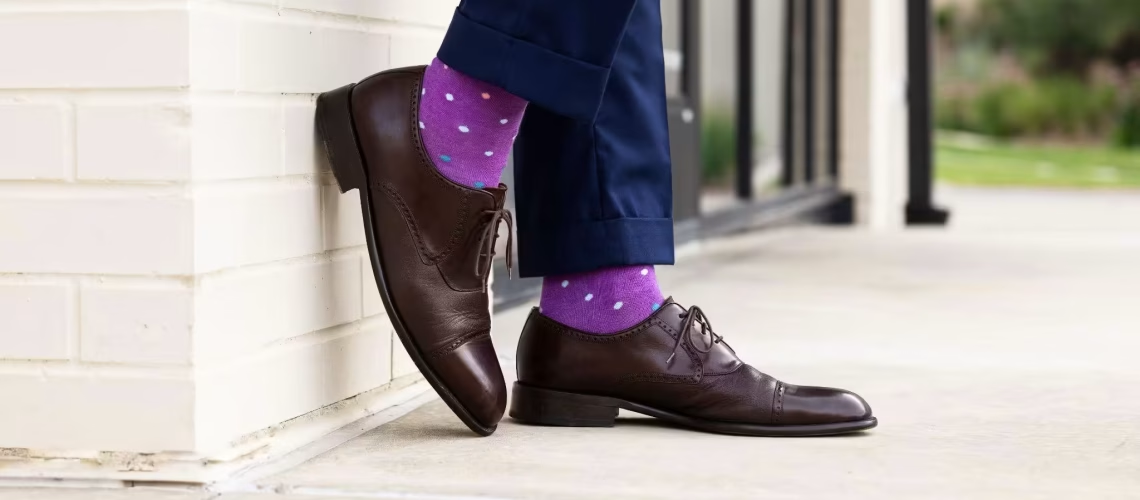
Items such as belts, watches, footwear, and socks can influence how polished an outfit appears. In professional environments, these details signal attentiveness and care.
For example, professionals who wear dress shoes often benefit from choosing high-quality over-the-calf socks that remain comfortable throughout the day and maintain a clean appearance.
Many individuals looking to upgrade these wardrobe essentials choose to purchase Southern Scholar socks online because over-the-calf stipped or patterned socks help create a stylish yet professional look while staying securely in place during long workdays.
This attention to detail does not require an extensive wardrobe. Instead, it reflects a thoughtful approach to professional presentation.
Dressing the Same for Every Situation
Business casual should not be treated as a one-size-fits-all dress code. Workplace activities often require different levels of formality.
A typical day at the office may call for one type of outfit, while a client meeting, conference, or networking event may require a more polished approach. Professionals can adapt their wardrobes by considering:
- Who they will interact with
- Whether clients will be present
- The nature of the event
- Industry expectations
- The desired level of professionalism
Maintaining a few versatile wardrobe options allows individuals to adjust appropriately without overcomplicating their daily routine.
Prioritizing Trends Over Professionalism
Fashion trends can influence workplace wardrobes, but not every trend translates well into a professional setting. Chasing trends without considering workplace expectations often results in outfits that feel out of place.
Business casual works best when built around timeless pieces rather than short-lived fashion statements. Clean lines, neutral colors, quality fabrics, and versatile wardrobe staples tend to provide greater long-term value.
This does not mean professionals must sacrifice personal style. Instead, they should use trends selectively while ensuring that professionalism remains the foundation of their appearance.
Brands such as Southern Scholar have found an audience among professionals who appreciate the value of classic wardrobe elements that complement business attire rather than distract from it.
Building a Smarter Business Casual Wardrobe
Creating a successful business casual wardrobe does not require a complete closet overhaul. In most cases, it involves making thoughtful choices and avoiding common mistakes.
A practical business casual wardrobe often includes:
- Well-fitted trousers or chinos
- Collared shirts and quality knitwear
- Versatile blazers or sport coats
- Professional footwear
- Appropriate accessories
- Quality basics that support a polished appearance
When each piece works together, getting dressed becomes simpler and more consistent.
Conclusion
The business casual dress code offers flexibility, but that flexibility often creates confusion. Many professionals make the mistake of dressing too casually, ignoring workplace culture, overlooking fit, or neglecting the details that contribute to a polished appearance.
The most effective approach is to view business casual as a balance between comfort and professionalism.
By focusing on fit, context, and presentation, professionals can build a wardrobe that supports their career goals and helps them make a strong impression in any workplace. As workplace expectations continue to evolve, those who understand the principles behind business casual will be better positioned to adapt with confidence.
Guest writer