Organisations often invest heavily in wellbeing initiatives such as mental health programmes and flexible working policies. However, many overlook the everyday habits that shape how employees spend their time at work, which in turn affects how productive the employees are.
Gallup’s State of the Global Workplace 2026 Report discovered that employee engagement has fallen by 20% globally, its lowest level since 2020, but it is rare for organisations to review the small daily factors that influence how people work. One of the most overlooked is what happens when employees leave the building for lunch and coffee.
The Time Cost Few Organisations Measure
Small daily habits, such as running down to the local café to grab a cup of coffee or a bite to eat, can quickly add up across the organisation. A single trip involves walking to the shop, queueing, ordering, waiting and walking back.
In fact, a OnePoll survey of 2,000 on-site employees found the average round trip takes around 16 minutes. If your employees do this roughly three times a week, then that equates to roughly 50 hours a year, or an entire working week, lost in productivity per employee. If this is multiplied by 50 employees, then the scale of the hidden cost of employees leaving the workplace for lunch or coffee becomes clear.
Why This Matters Beyond Productivity
Productivity is not the only thing that is impacted by employees leaving the workplace for lunch or coffee. Workflows are interrupted and returning to focused work takes longer than the break itself. Research by Gloria Mark at the University of California, found that interrupted work is resumed after an average of 23 minutes, with people typically handling two other tasks before returning to the original one.
With fewer employees on site at the same time, opportunities for spontaneous conversations and collaboration are also reduced. Compass Group’s Global Eating at Work Survey found that UK workers now average less than 33 minutes for their main lunch break, with nearly half eating lunch alone, meaning many of the informal moments that build working relationships are already being squeezed.
Finally, there is an increase in employees feeling frustrated. When employees don’t have easy access to quality food and drink at work, leaving the building becomes a necessity rather than a choice which erodes the workplace experience.
What Employees Want: Quality and Convenience
The high street has raised the bar. With barista-quality coffee, fresh food and healthy choices available on every corner, employees increasingly expect the same standard from their workplace: premium coffee as a standard offering, healthy food readily available throughout the day, easy access to hydration and comfortable breakout spaces to relax in. Above all, they want convenience. When the workplace offering falls short of what’s a five-minute walk away, people will understandably head out for lunch or coffee.
Regular breaks are essential for wellbeing and sustained performance, and nobody benefits from a culture that discourages them. The goal is simply to remove the necessity of leaving the building just to get a decent coffee or something worth eating.
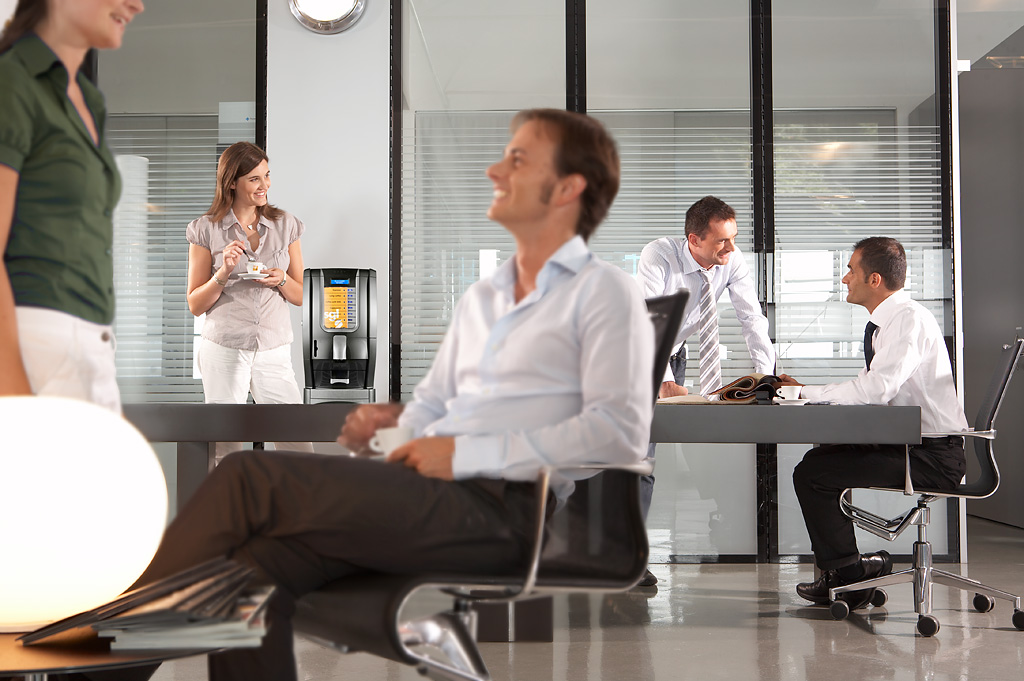
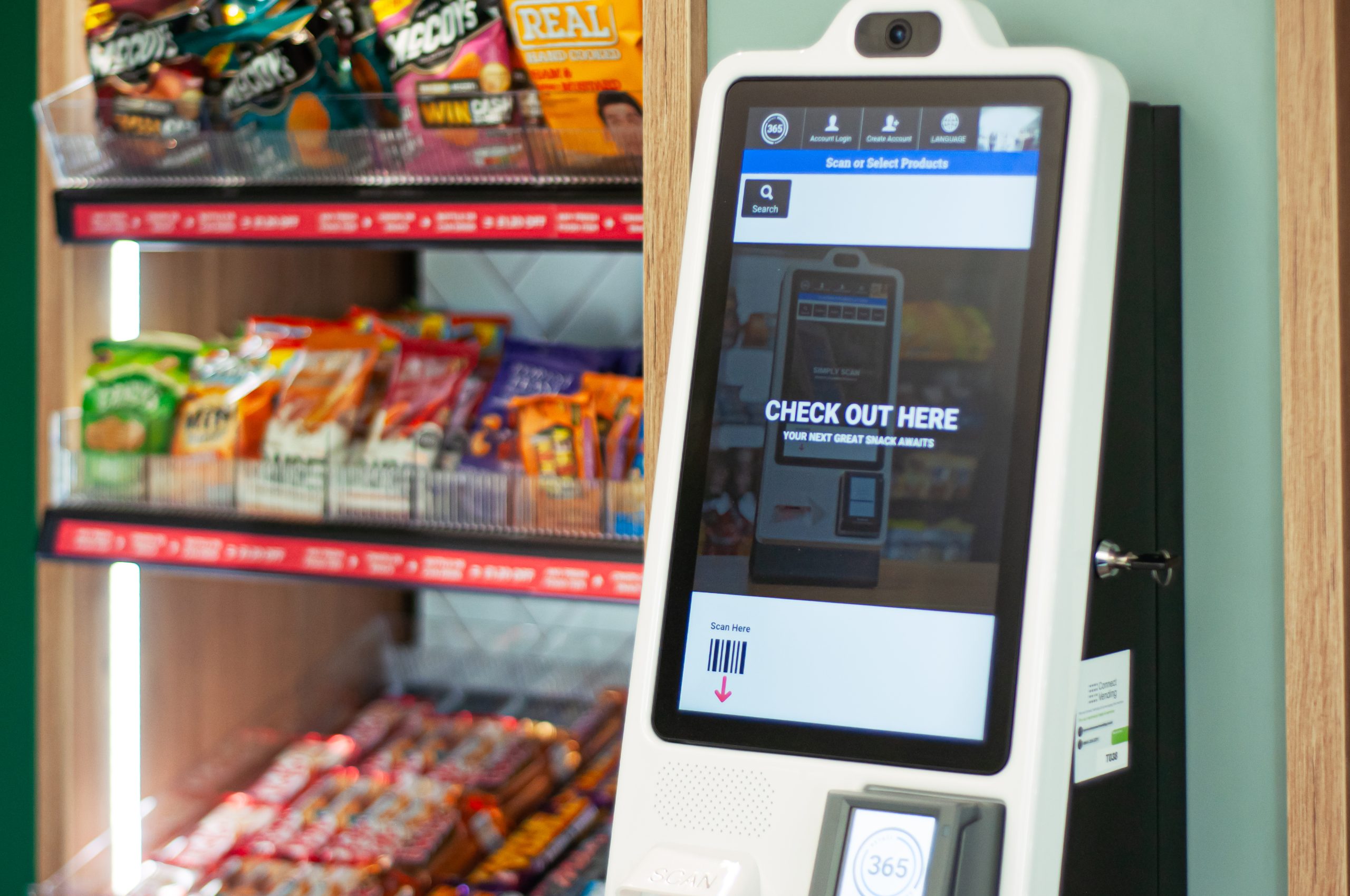
Modern workplace refreshment solutions, from commercial coffee vending machines to micro markets and smart fridges, offered by providers such as Connect Vending make it possible to bring high-street quality on site. When employees can grab a great coffee thirty seconds from their desk, the choice to stay becomes an easy one, and those thirty-second trips often turn into informal conversations where collaboration happens.
Practical Ways HR Can Reduce Lost Time
Organisations don’t need to prevent employees from leaving the office. Instead, creating attractive on-site refreshment options gives employees greater flexibility while helping protect productive time and encouraging informal interactions.
Five practical steps:
- Improve access to workplace refreshments so a quality coffee or healthy snack is never more than a short walk from the desk
- Encourage meaningful microbreaks that help people refocus without leaving the building
- Create welcoming communal spaces where employees naturally gather and connect
- Offer healthier food and beverage choices that support wellbeing as well as convenience
- Review employee feedback regularly to ensure the offering keeps pace with expectations
Conclusion
Improving the workplace experience isn’t always about introducing another wellbeing programme; Sometimes relatively small improvements to the everyday working environment can make a meaningful difference to productivity, engagement and employee satisfaction.
Guest writer