
When managing workplace injuries, human resources professionals act as the bridge between an injured employee and the company. When an accident happens, HR must balance empathy with legal requirements. Effective management keeps the workplace safe and protects the organization from liability.
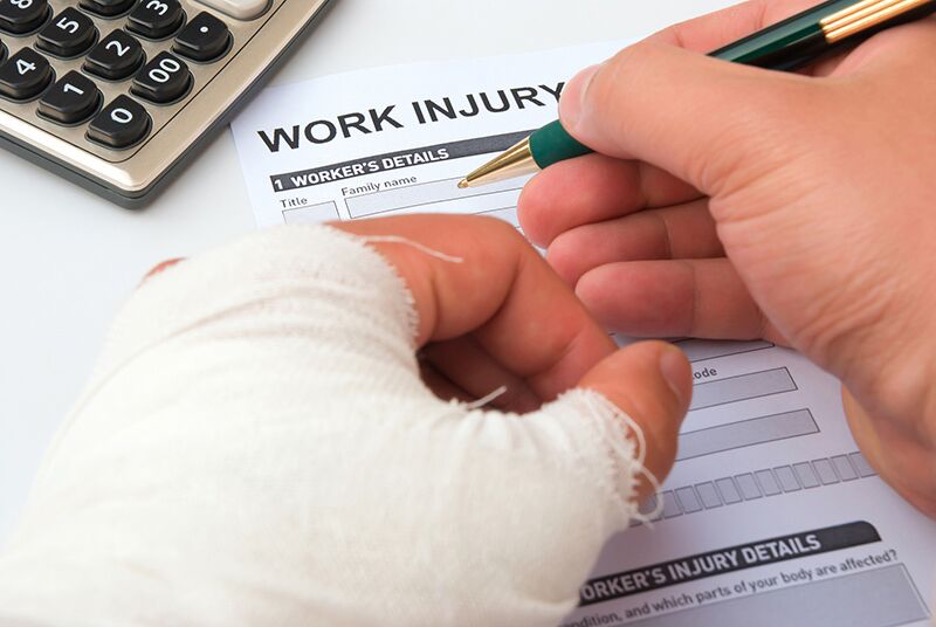
The First Response to On-Site Accidents
HR teams must act quickly when an accident occurs in the office. The priority is getting medical care for the hurt person. Supervisors should know how to call for help without delay.
Securing the area comes next to prevent more people from getting hurt. HR needs to verify that the scene is blocked off from other workers. Taking photos right away captures the situation before anything changes.
Gathering witness statements provides a record of what happened. Memories fade fast during stressful times. Writing down these details helps the company understand the root cause of the incident.
Managing Risks And Liability Issues
Safety starts with recognizing the hazards hiding in plain sight within the office. Many workers choose to hire a legal team that checks for premises liability and whether the company kept the property safe when writing a claim. Slip and fall accidents cost businesses millions of dollars every year if neglected.
Lighting keeps people safe in parking lots or dark corners. Dim bulbs make it hard to see obstacles or uneven ground. HR should work with maintenance to keep the building bright and clear. Different types of flooring require specific cleaning methods, so wet floor signs must stay out until the surface is completely dry.
Compliance With Evolving Leave Regulations
Managing recovery time involves complex legal questions. Around 79% of business owners find state and local leave laws to be their biggest compliance challenge. HR must track these changes to avoid expensive mistakes.
Laws change often and vary greatly from one city to the next. Managers need a system to track which rules apply to each specific worker. Stay compliant and protect the company from heavy fines and legal battles.
Clear policies help workers understand their rights as they recover. HR should explain how sick leave or workers’ compensation works from the start. Open talk reduces confusion and helps the employee focus on getting better.
Analyzing Global Safety Metrics And Success
Safety data shows whether current workplace policies are working as intended. Recent international figures show that fatal workplace injuries dropped to a record low of 0.96 per 100,000 employees in 2025. This downward trend shows that modern safety programs are working.
Monitor non-fatal injuries, too. The numbers reveal patterns that might point to a specific hazard or a lack of effective training. Data allows for smarter decisions about where to spend the safety budget.
Reporting systems should be easy for every worker to use. When people feel safe reporting a near-miss, the company can fix the issue before an injury happens. Honest reporting leads to a healthier culture for everyone.
Improving Safety Within Small Business Operations
Small businesses face unique risks when keeping their teams safe. Research from a 2025 safety survey revealed that 75% of small businesses experienced at least one workplace injury in the past year. Half of those injuries were labeled as preventable by the people involved.
Managers should check equipment for wear every single week. Using the right tools for the job prevents unnecessary strain or accidents. Creating a safety list keeps everyone on the same page. Take a look at some steps to create a foundation for a safer work environment:
- Inspect all floor surfaces for spills every morning
- Replace worn-out safety gear immediately
- Hold five-minute safety talks at the start of shifts
Preventable accidents stem from rushing or skipping steps. HR can encourage a pace that prioritizes safety over speed. A safe worker is a productive worker over the long term.
Facilitating Employee Recovery And Return To Work
Getting back to work is a major milestone for an injured person. HR makes the transition smooth and safe. Doctors provide the guidelines for what a worker can and cannot do. HR must follow these medical orders exactly, as trying to do too much too soon leads to further injury.
Checking in with the employee shows that the company cares about their wellbeing. A phone call once a week keeps the worker connected to the team. Support from the employer speeds up the mental part of recovery.
Mental health is a part of the healing process that many people ignore. Fear of getting hurt again can slow down a worker’s return. HR should provide resources for counseling if the person feels anxious about their job.
Managing Documentation For Insurance Carriers
HR gathers medical records and accident reports to send to the carrier. Precise records speed up the process for the hurt employee. Missing a deadline can cause a claim to be denied or delayed. HR must stay on top of all the filing dates required by law.
Tracking the costs associated with the injury helps with future budgeting, including medical bills and the cost of hiring temporary help. Legal counsel may need to review certain documents before they are submitted. HR coordinates with the company lawyers to protect the business interests and keep everyone informed to avoid surprises.
Developing Comprehensive Training Programs
Training should be interactive and specific to the tasks at hand. Workers need to practice emergency drills to know what to do when things go wrong. New hires are at a higher risk of getting hurt during their first weeks. HR should pair them with experienced mentors who model safe behavior.
Effective training programs often include these key elements:
- Hands-on demonstrations of how to use machinery
- Clear visuals showing the location of first aid kits
- Regular updates on new safety laws or equipment
Refreshing this knowledge every year keeps safety at the front of everyone’s mind. It shows that the company takes the health of its people seriously. Regular audits of these programs make certain they stay relevant as the business grows.

Handling injuries with care builds trust within the entire team. Employees feel valued when they see a clear process for safety and recovery. Strong HR management reduces stress for the injured person and the company. Following these steps creates a more resilient workplace.
Allen Brown is a dad of 3 kids and is a keen writer covering a range of topics such as Internet marketing, SEO and more! When not writing, he’s found behind a drum kit.