Introduction: The Changing Role of HR in Workplace Safety
HR has now developed beyond being policy makers; they have improved to focus on proactive team member wellbeing. In the past, the Human Resources department was responsible for workplace safety through compliance checklists and post-incident reporting. However, with the evolution of various industries, the HR-led safety initiatives have broadened to encompass the integration of high-tech solutions that safeguard employees prior to an accident. This shift supports HR departments to act as risk-mitigation-focused instead of being merely administrative managers. Instead of being reactive to damage control, it allows HR to create operational workflows that are proactive in human safety.
High-risk industries, especially the renewable energy industry, have unique challenges ranging from tall wind turbines to large solar farms that are not typically addressed by conventional safety monitoring, through the integration of aerial workplace monitoring, high-tech perspective, and the transformation of data into actionable safety information. Additionally, it enhances HR-led safety initiatives by enhancing the protection of the personnel in the field.
How Drone Inspections Inform HR Safety Strategies
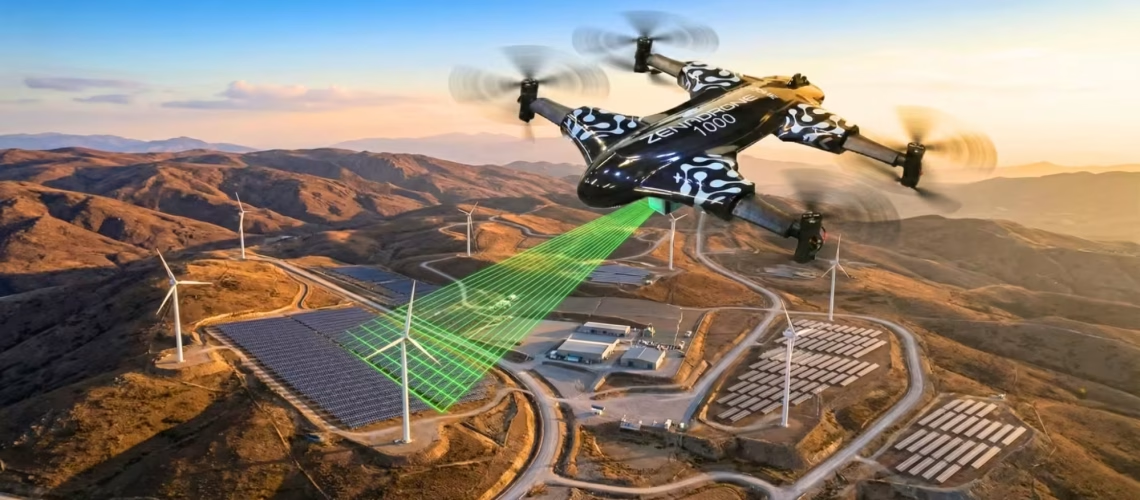
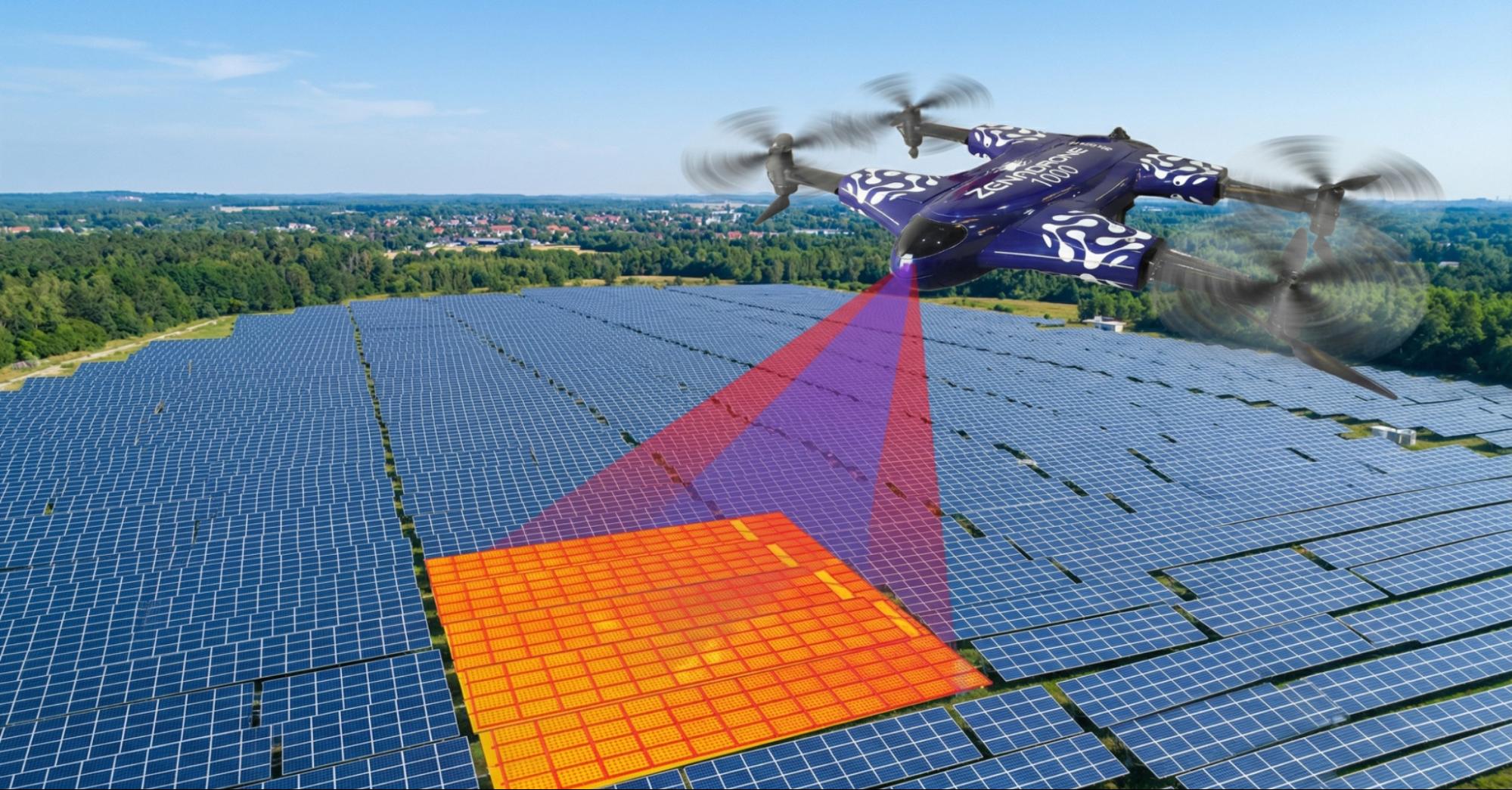
The high-resolution real-time environmental monitoring capabilities of drone safety inspections enable organizations to monitor difficult or dangerous areas. HR and safety officers can use these aerial workplace monitoring tools to conduct worksite supervision while prioritizing team member safety. The implementation of team member exposure reduction tactics with drones enables organizations to reduce the need for high-risk surveying. Utilizing drones before manual inspections will result in decreased fall incidents and equipment-related injuries. These inspections also provide HR with the ability to create a digital twin of the site, for a continuous loop of information for visual evidence.
Drone inspection data provides essential information necessary for the HR department to create new safety measures. The detection of electrical hotspots in solar arrays through thermal imaging enables HR to activate maintenance alerts before fire hazards. This incorporates a technology-enabled safety culture, which supports organizations in creating reliable safety measures. Instead of using standard training models, it allows HR departments to develop training programs based on the documented risks from drones.
Integrating Technology into HR Safety Policies
HR integrates technology into policy by making drone safety inspections the foundation of Standard Operating Procedures (SOPs). This enables the codification of preventive safety practices rather than recommendations. With the reliable provision of site information by Drone as a Service (DaaS), HR can automate safety reporting, ensuring that safety reports are accurate, on time, and free from human error.
A data-informed HR safety plan is based on this constant flow of information to pinpoint areas of repetitive safety concerns. If the data from drone inspections reveals a pattern of debris accumulation on a particular nacelle, HR can modify training or purchasing to rectify the underlying issue. This, in turn, promotes a technology-driven safety culture where the labor force does not perceive drones as surveillance tools but as critical equipment for safety mitigation in the renewable energy sector. By codifying these tech-driven safety audits in the team member handbook, HR establishes a clear safety standard.
Employee Engagement and Wellbeing
Employees feel more secure and appreciated when they witness their organization’s investment in workforce wellbeing technology. When the HR department creates training modules based on real-world inspection findings, the training modules become more relevant and interesting for the employees. This is how a bridge of trust is formed between the management and the employees, and safety is no longer a management-imposed priority but a collective concern.
When the HR department focuses on minimizing team member exposure, it showcases a “people-first” attitude. Drones are just an enabling tool, but the emphasis is on the human factor. When employees realize that safety protocols are supported by the latest technology, their psychological safety improves, resulting in improved retention and morale in high-stress settings. Overall, this efficiency in prioritizing employee safety assures workers that their lives are being valued by the company. With HR leveraging workforce well-being technology, they not only enhance the safety of their employees but also the efficiency of their valuable assets.
Compliance, Audits, and HR Accountability
As HR departments aim to shift from policy makers to true risk management, obtaining reliable inspection data is a strategic move. By integrating drone collection data, they can improve their safety operations and legal standing:
- Regulatory Alignment: Detailed inspection reports act as proof for meeting the requirements of OSHA and other regulatory bodies, satisfying the stringent legal requirements of the company.
- Proactive Mitigation: The human resources section can use the above data to prove the measures taken for the mitigation process, which would be proactive rather than reactive.
- Liability & Reputation: Documentation helps maintain corporate liability at lower levels. Moreover, the practice also helps develop a reputation for sincerely caring about corporate employees.
Future of HR in Technology-Enhanced Workplace Safety
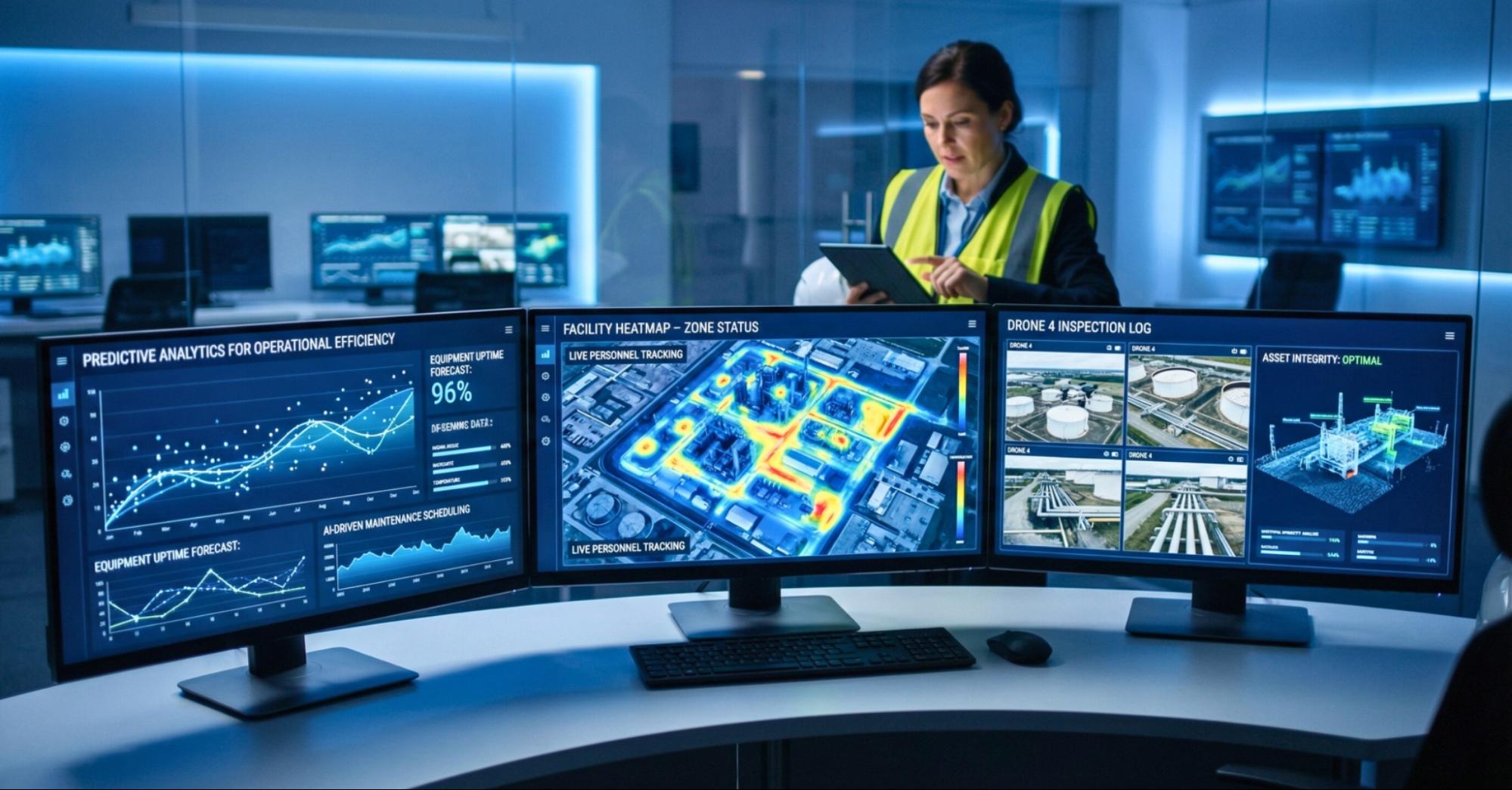
The future advancement of AI-driven analytics and predictive analysis in drones to HR strategies will support maintaining renewable energy employee safety. The adoption of predictive analysis will help predict and flag changes in infrastructure through historical data, allowing for preventive measures. AI-driven analytics acts as human intelligence and creates strategic decisions without human intervention.
Improvements in drone programs support the reduction of human exposure to site hazards in renewable energy sites, while improving HR strategies. This strategic impact leads toward a proactive data-driven HR safety strategy, prioritizing team member well-being through integrating drone intelligence. By involving these innovations, HR develops preventive safety practices prioritizing team member safety while improving operational health.
Understanding Risks in Renewable Energy Worksites
The major risks that face renewable energy workers are extreme heights, high voltages, and inaccessibility in the event of an emergency. The traditional monitoring approach of climbing structures and visually assessing problems is time-consuming and results in risks being taken. The challenge facing human resources is how to balance the need for high production rates in the green energy era with the non-negotiable objective of protecting workers.
This calls for HR-instigated initiatives in safety activities that transcend the limits and boundaries of manual interventions. The renewable energy inspection technology helps to obtain a detailed, frequent set of readings to be able to predict a failure or fatigue in equipment. Without these HR-instigated initiatives, any organization is stuck in a cycle that is hazardous to personnel involved in such kinds of maintenance.
Conclusion
The shift of HR from an administrative compliance to an emerging employee advocate can be achieved by integrating drone-based inspection tools. In an environment as high-stakes as renewable energy production, these aerial inspection tools offer the key insights necessary. Aerial inspection tools help in achieving the ideal balance of production demands versus team member safety. Here, HR leaders can opportunistically redefine the standards of team member safety, legal compliance, and engagement within their workforce.
This emphasizes the significance of safety approaches to keep pace with the advancements of our technologies, as these are leveraged for growth. Therefore, it is the forward-thinking HR leadership combined with technology that we can leverage and benefit from. It will develop a safer and more “people-centric” culture based on the mitigation of risks before they become issues. Ensuring that workplace safety is no longer mandated but chosen as a strategic approach to the “people” who power our future.
Guest writer