
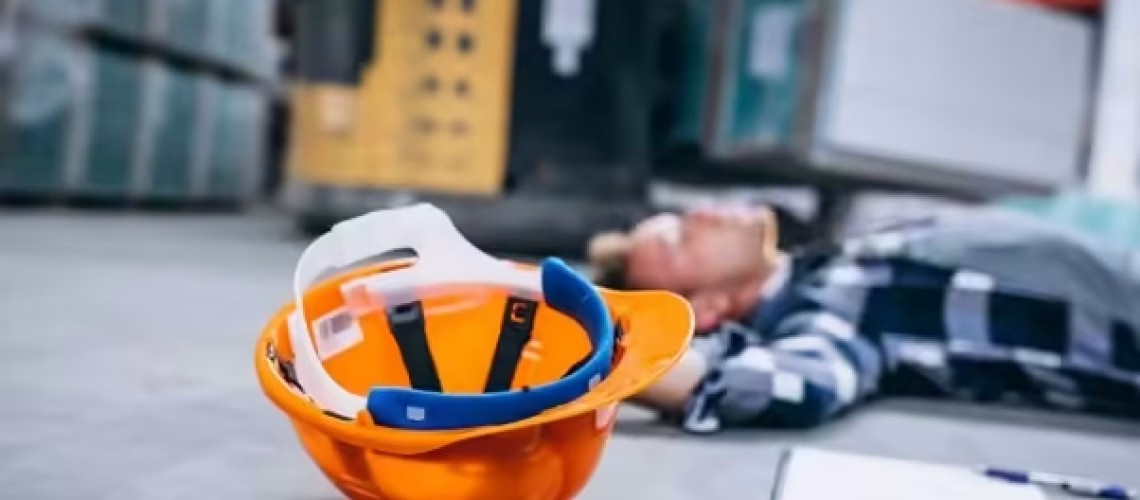
Los Angeles is a city which is always in motion; the movie studios are humming, the freeways are buzzing, and the skyline is glowing long after the sun sets. It is an ambitious place filled with opportunity, but as is true in all big cities, workplace accidents occur frequently. The most devastating are spinal cord injuries (SCIs). These can change a person’s life instantly.
When these injuries occur, it is imperative that the victim receive legal aid from people they can trust. This is where a top-rated Los Angeles spinal cord injury attorney comes in. A great spinal cord injury lawyer can help the victim through the complexities of the claim process and help with the compensation they are entitled to.
Understanding Workplace Incidents That Can Lead to SCIs
Spinal cord injuries at work can happen in seconds—from a fall, a crash, or even a split-second mistake with heavy equipment. These aren’t rare accidents either. According to the National Spinal Cord Injury Statistical Center (NSCISC), about 17,000 new SCIs occur in the U.S. every year, and many stem from workplace incidents. Understanding how they happen is the first step to prevention.
1. Falls From Heights
The highest risk is for construction workers, warehouse workers, and utility crews. One missed step on scaffolding or one slip off of a ladder can inflict terrible trauma on the back and spine.
Even short falls, like slipping off of a truck bed or loading dock, can lead to compression or fractures of the spine. Simple devices such as guardrails, harnesses, and appropriate footwear, which prevent slipping, can often avert the worst injuries.
2. Vehicle and Equipment Accidents
Forklifts, delivery trucks, and cranes make many jobs run smoothly, but they also bring serious hazards. Rollovers, collisions, or sudden stops can jolt the spine hard enough to cause lasting damage.
For example, a warehouse driver thrown inside a tipping forklift might sustain an SCI from the impact. Regular maintenance, seatbelts, and safe driving protocols aren’t red tape—they save lives.
3. Falling Objects
In busy workplaces, dropped tools or shifting loads are a constant threat. A single falling box from overhead storage can cause a neck or back injury severe enough to damage the spinal cord. Hard hats help, but proper stacking and storage are just as important. The best prevention? Never store heavy materials above shoulder height, and always secure loads before moving them.
4. Slips, Trips, and Everyday Hazards
You don’t need to be on a construction site to suffer a spinal injury. Office workers can slip on a wet floor, land badly, and suffer a fractured vertebra. Many companies overlook these “small” hazards—loose cords, uneven flooring, or cluttered walkways.
But they’re among the top causes of workplace injuries, according to OSHA data. Keeping walkways clear and cleaning spills immediately can make all the difference.
5. Violence and Physical Assaults
It’s uncomfortable to think about, but workplace violence accounts for a growing share of serious injuries. Physical altercations, especially in high-stress environments like hospitals, can lead to blunt-force trauma or spinal fractures. Employers have a duty to provide safe conditions, including proper training in de-escalation and security protocols.
6. Repetitive Strain and Overexertion
While less dramatic than falls or crashes, long-term strain can damage spinal discs and nerves. Lifting heavy objects incorrectly or twisting repeatedly under pressure weakens the spine over time. That’s why training on body mechanics and proper lifting techniques is essential—not just for safety, but for long-term health.
Key Causes of Workplace Spinal Cord Injuries
- Falls from ladders, roofs, or scaffolding
- Vehicle or heavy equipment accidents
- Impact from falling objects
- Slips, trips, and other low-level falls
- Physical assaults or workplace violence
- Overexertion and repetitive strain
Each of these incidents can change a life in seconds—but awareness, prevention, and a culture of safety can stop many before they start.
Guest writer
Editor’s note: Labour legislation differs from country to country so readers are advised to check with legal practitioners in their country for legal advice that is relevant to their circumstances.