In today’s corporate landscape, “workplace safety” extends beyond preventing accidents to addressing the hidden risks of sedentary work. As HR professionals face rising burnout and fatigue, supporting employee recovery has become a strategic priority. Tools like infrared sauna blankets are increasingly explored to enhance holistic wellbeing and sustain workplace performance.
Modern desk-bound employees often spend long hours seated, leading to muscle stiffness, poor circulation, and elevated stress. Infrared sauna blankets can help relieve tension, improve circulation, and reduce stress, making recovery practical at home. Regular use supports overall wellness while fitting into busy work schedules.
The Impact of Sitting on Desk-Bound Employees
Spending extended periods seated can negatively affect both physical and mental health. From an organizational perspective, these issues directly translate to “presenteeism”—where employees are physically present but cognitively impaired by discomfort.
Muscle and Posture Issues
Sitting for long periods often leads to stiffness in the shoulders, neck, and lower back. Over time, poor posture can contribute to spinal misalignment and chronic musculoskeletal discomfort.
For HR departments, this often leads to increased healthcare claims and long-term disability risks. Addressing these issues early with recovery habits is essential for maintaining a resilient workforce.
Poor Circulation and Physical Fatigue
Prolonged sitting slows blood circulation, particularly in the lower body, leading to leg swelling, heaviness, and physical fatigue. Workplace health research shows that reduced circulation also limits oxygen flow to the brain. This directly affects cognitive performance, including creativity and decision-making.
Mental Stress and Reduced Focus
Sedentary work combined with demanding workloads can significantly increase stress levels. When the body remains in a stagnant physical state, the nervous system often stays in a “high alert” sympathetic mode. Mental fatigue may build up, making it harder to concentrate and stay productive.
Why HR Leaders Are Prioritizing Infrared sauna blanket
Modern HR teams struggle to deliver high-impact wellness benefits within tight budgets. Traditional perks like gym memberships or office snacks often see low engagement. Infrared sauna blankets provide a practical, high-value recovery solution aligned with future workplace wellness.
Employee recovery tools are now a strategic necessity to combat burnout and turnover. Providing at-home recovery solutions supports muscle relief and stress reduction while signaling a culture of care. This shifts the employer-employee relationship from productivity-focused to human-centric. Such initiatives are increasingly important for attracting and retaining top talent.
How an Infrared Sauna Blanket Works
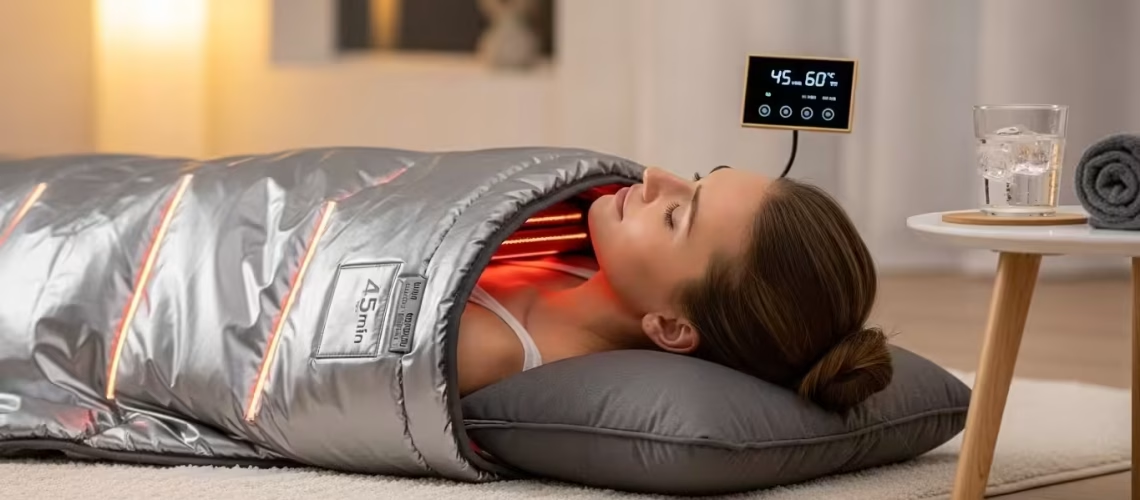
Infrared sauna blankets use far-infrared heat to penetrate deep into muscles and tissues, promoting relaxation and recovery. Unlike traditional saunas, they are compact and easy to use at home.
- Deep Muscle Relaxation: Heat penetrates layers of tissue to soothe soreness from repetitive movements like typing.
- Improved Circulation: Stimulates blood flow, helping remove lactic acid buildup and supporting cardiovascular health.
- Detoxification: Sweating helps remove metabolic waste, enhancing the body’s natural recovery processes.
- Convenience: In a world of “time poverty,” the ability to access spa-level recovery in 30 minutes at home is a massive perk for the busy professional.
Overall, infrared sauna blankets offer a convenient way to incorporate heat therapy into daily life. By combining muscle relaxation, circulation support, and ease of use, solutions like saunny infrared sauna blankets make recovery more accessible without the need for traditional sauna facilities.
Supporting Employee Recovery in Remote and Hybrid Work
As remote and hybrid work become long-term norms, HR responsibilities now extend into the home office, where work-life boundaries are increasingly blurred. This shift makes the concept of a “home recovery station” an essential part of modern workforce management.
Infrared sauna blankets help employees establish a clear end-of-day “shutdown ritual” after intense virtual work. This transition supports psychological detachment from work and promotes long-term mental well-being. As a result, more forward-thinking companies are including recovery tools in home office wellness stipends to enhance engagement and creativity.
Benefits for the Modern Professional
Infrared sauna blankets offer a range of benefits that support both physical recovery and mental well-being:
- Relieves muscle soreness: Eases tension in the shoulders and back caused by prolonged sitting.
- Enhances circulation: Delivers oxygen to key muscle groups, preventing stiffness.
- Reduces stress and fatigue: Helps lower cortisol levels, allowing employees to feel calmer.
- Boosts mental clarity: By moving the body into a parasympathetic (rest and digest) state, infrared therapy clears “brain fog” and enhances afternoon productivity.
- Supports better sleep: Calming heat improves sleep quality, ensuring employees wake up energized.
Tips for Safe and Effective Use
To maximize the benefit of these tools within a corporate wellness program, HR should provide clear guidelines for use:
- Hydration is Key: Drinking water before and after each session helps replace fluids lost through sweating.
- Consistency over Intensity: Limit sessions to 20–30 minutes, 2–3 times per week. Encourage employees to view this as a scheduled “wellness appointment” with themselves.
- Listen to your body: Adjust the temperature to a comfortable level to ensure safe and enjoyable use.
Conclusion
The sedentary nature of modern office work presents a systemic challenge for HR leaders seeking sustainable work environments. Infrared sauna blankets offer a practical way to help employees thrive by bridging professional productivity and personal wellbeing.
Regular use can help ease muscle tension, reduce stress, and support better sleep, leaving employees more energized and focused. By adopting innovative recovery strategies, organizations can strengthen a culture of health and resilience. Ultimately, it is a simple yet impactful investment in a company’s most valuable asset—its people.
Guest writer