
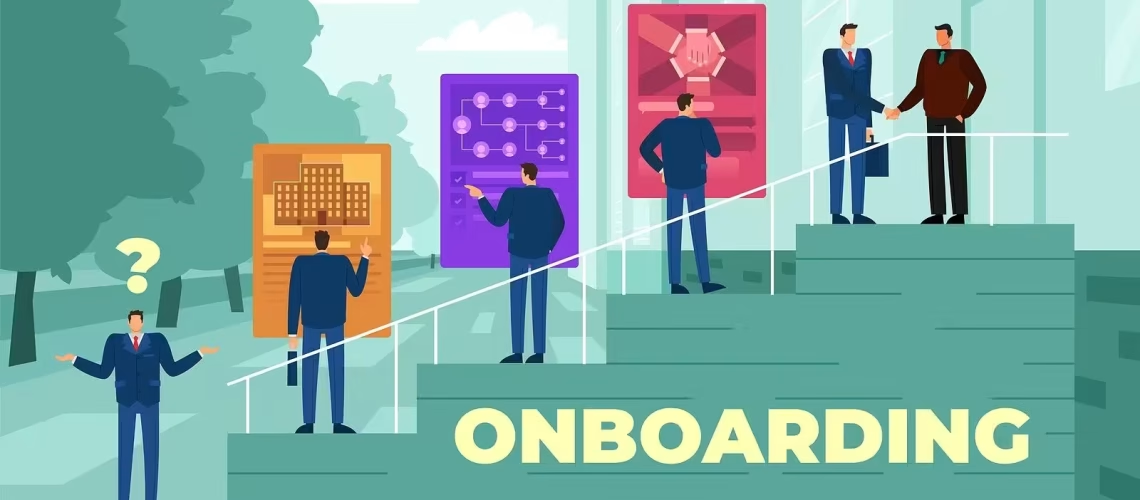
Onboarding is often discussed as a process: paperwork, systems access, training modules, manager meetings, and HR checklists. Those steps matter, but employees also read the smaller signals around them. A prepared desk, a clear schedule, a useful welcome pack, or a thoughtful first-day message can shape how a new hire feels about the organization.
Tangible onboarding materials are not about giving people branded items for the sake of it. They are about reducing uncertainty and showing that the company has prepared for the person joining.
First-Day Details Send A Message
A disorganized first day can make a new employee feel like an afterthought. Missing logins, unclear documents, and scattered materials create friction. A prepared onboarding kit can do the opposite. It gives the employee one place for the essentials and communicates that the organization is ready.
This is especially useful in hybrid workplaces, where employees may not have as much informal guidance from nearby colleagues.
Make Materials Easy To Use
An onboarding kit might include a notebook, office map, team contact card, benefits overview, access instructions, schedule, and small welcome note. For in-person starts, a practical bag can keep those materials together. For remote employees, a mailed kit can create a similar sense of arrival.
HR teams comparing custom tote bag options can think of the bag as a carrier for useful onboarding materials, not just a piece of company merchandise.
Keep Brand Consistency Human
Brand consistency matters, but overbranding can feel impersonal. A clean logo, calm color palette, and useful message may be enough. The materials should feel like part of the employee experience, not a marketing display.
The best onboarding items are practical first. If employees continue using them for meetings, training sessions, or commuting, the brand presence becomes natural.
Support Culture Without Slogans
Culture is often felt in details. A welcome card signed by the team, a guide to internal groups, or a small note about company values can carry more weight than a large slogan printed everywhere.
Tangible materials should support the culture the organization actually practices. If collaboration is important, include tools that make collaboration easier. If learning is valued, include resources that help new hires ask questions and find information.
Extend The Idea To Employee Events
The same thinking applies to internal conferences, volunteer days, wellness events, and training programs. A useful event bag can hold agendas, worksheets, name badges, water bottles, and follow-up resources. It reduces confusion and helps employees keep materials together.
Belonging Begins With Preparedness
Employees do not feel belonging from a bag alone. They feel it from good management, inclusion, clarity, and respect. But tangible materials can support those bigger efforts when they are planned thoughtfully.
A well-prepared onboarding kit tells a new employee: you were expected, and your first days matter. That is a small message, but it can be a meaningful start.
Include Managers In The Experience
Onboarding materials work best when managers understand how to use them. A welcome kit should not be handed over silently and forgotten. Managers can refer to items inside it during the first week, point out useful resources, and explain why certain materials were included.
That makes the kit part of the onboarding conversation. It also prevents the materials from feeling like disconnected branded objects. When a manager uses the kit to support clarity and connection, the employee is more likely to see it as a helpful tool rather than a token gesture.
This also gives HR a more consistent experience across locations. Whether a new hire starts at headquarters, a regional office, or a remote team meetup, the same practical materials can create a familiar first impression while still leaving room for local or team-specific additions.
Guest writer