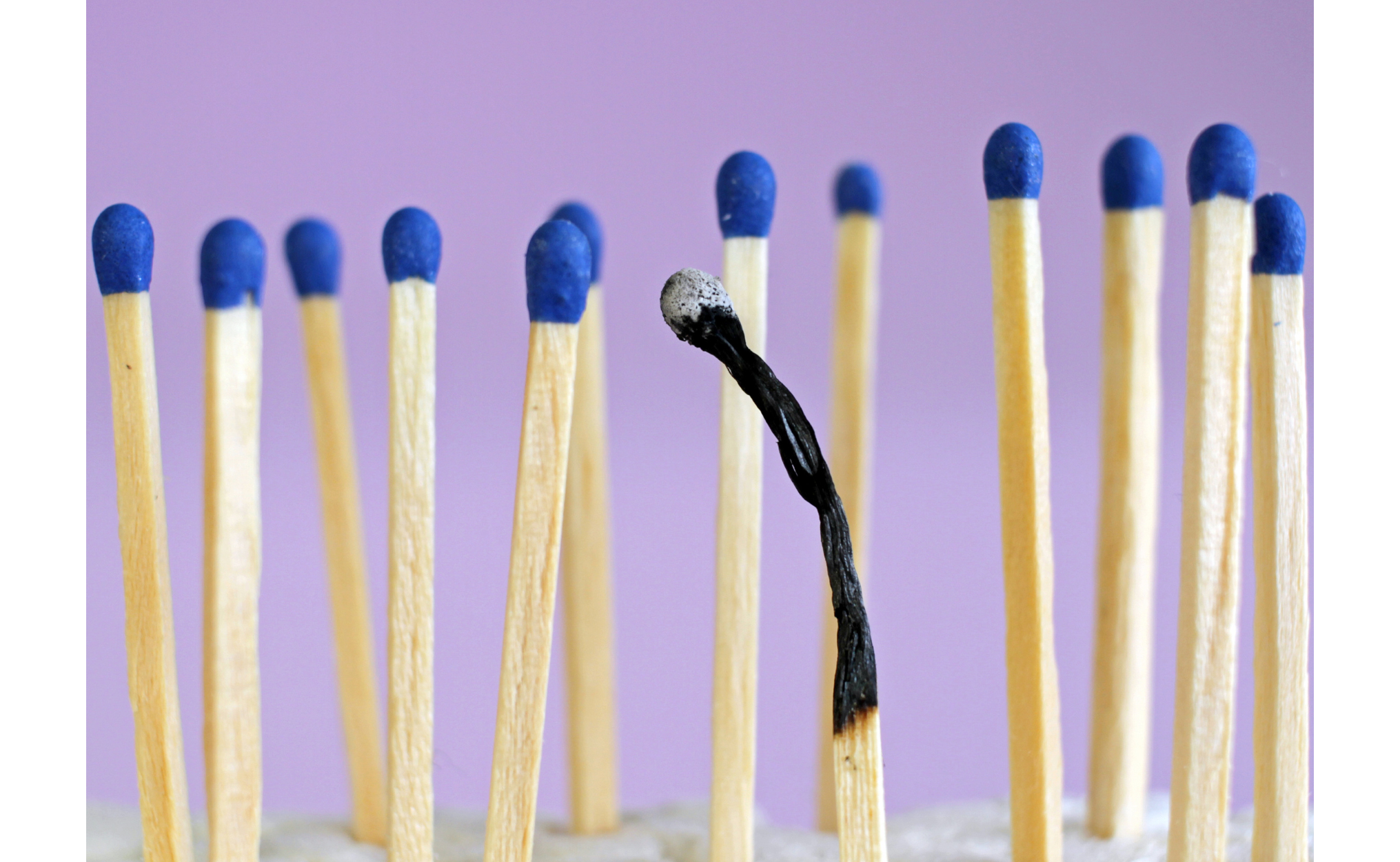

Small healthcare providers are facing a staffing reality that has very little margin for delay. Workforce shortages are widening across the country, care complexity is increasing, and clinical staff are burning out faster than they can be replaced. For HR leaders at independent clinics, rural hospitals, and community health centers, these pressures are no longer background concerns. They are daily operational problems.
The National Nursing Workforce Study has documented a persistent skills gap among nurses, with supply failing to keep pace with demand across multiple care settings. Small providers are particularly exposed because they cannot absorb a vacant position the way a large health system can. When one nurse leaves, the strain lands directly on the remaining team.
That is why upskilling clinical staff has shifted from a development perk to a concrete HR priority. Building capability from within allows small healthcare organizations to close skills gaps without depending entirely on an increasingly competitive hiring market. The workforce is already there; the question is what it can be trained to do.
Why Small Healthcare Cannot Wait to Upskill
What Makes Small Healthcare Settings Different
Small healthcare organizations face a version of the workforce challenge that looks meaningfully different from what large systems encounter. Budget constraints, thin staffing, and limited infrastructure all shape what training can realistically look like, and understanding those differences is what makes the case for internal development so compelling.
Thin Staffing Leaves Little Room for Learning Time
In large hospital systems, a temporary coverage gap created by training schedules can be absorbed across departments. In a small clinic or rural practice, that same gap can mean a provider goes without adequate support for an entire shift.
Clinical staff in smaller organizations are often already stretched across multiple roles. When a team runs on five nurses instead of fifty, pulling one person away for continuing education creates an immediate operational problem, not just an inconvenience.
This tension does not make training less important. It makes the format of training more important, pushing HR leaders toward flexible, self-paced options that fit around existing schedules rather than disrupting them.
Limited Budgets Change the Training Equation
Small healthcare organizations rarely have dedicated learning and development budgets. Training decisions compete directly with equipment needs, staffing costs, and operational expenses, which means every program has to justify itself.
The good news is that the most effective approaches to closing a skills gap do not always require large investments. Targeted continuing education, certification preparation, and structured self-study can deliver measurable results at a fraction of the cost of external recruitment. Resources that help clinical staff boost your exam readiness are one example of how affordable, focused development can fit within constrained budgets while still moving the needle on competency.
Narrow Talent Pipelines Raise the Cost of Waiting
Large health systems can recruit nationally. Small providers typically draw from a limited local pool, and the healthcare workforce shortage has made that pool shallower.
When qualified candidates are scarce, waiting for the right external hire becomes a losing strategy. The skills gap widens, existing staff absorb more pressure, and the risk of losing them grows. Developing the team already in place is not just more affordable; in many small healthcare settings, it is the more reliable path forward.
How Upskilling Helps Reduce Burnout and Turnover
The connection between burnout and workload distribution is straightforward: when clinical staff are stretched across responsibilities that exceed their training, fatigue accumulates faster.
Upskilling addresses this at the source. When nurses and other clinical staff develop broader capabilities, teams can distribute patient care responsibilities more evenly. No single person carries a disproportionate share of complex or unfamiliar tasks, and that balance matters for day-to-day sustainability.
Burnout is rarely just about long hours. It is also about feeling underprepared, undervalued, and stuck. When clinical staff have clear pathways for growth and can see their skills expanding over time, the experience of their role shifts. Reskilling and upskilling signal that an organization is investing in its people, not just extracting from them. That signal has a measurable effect on talent retention, particularly in settings where compensation alone cannot compete with larger systems.
Scheduling stability also improves as teams become more capable. When more staff can competently handle a wider range of patient care tasks, there is less pressure to override rest days or extend shifts to cover specialized gaps. Clinical staff who feel prepared for what they encounter at work are also less likely to disengage or seek positions elsewhere.
For small healthcare organizations, this makes upskilling one of the more practical tools available for keeping experienced people in place.
The Most Practical Ways to Build Skills Internally

Not every training approach works equally well in a lean clinical environment. The methods below are grounded in what small practices, outpatient groups, and community providers can realistically implement without a dedicated learning and development function.
Cross-Training Covers Gaps Without Adding Headcount
Cross-training is one of the most accessible strategies available to small healthcare organizations. When clinical staff learn to perform competencies adjacent to their primary role, teams become more flexible without requiring new hires.
A medical assistant trained in basic triage support, or a nurse who can cover routine administrative coordination during high-volume shifts, creates coverage options that rigid job descriptions do not allow. For lean operations, that flexibility directly reduces the pressure that builds when staffing is tight.
Continuing Education Keeps Care Standards Current
Formal continuing education keeps clinical staff aligned with evolving protocols, updated credentialing requirements, and changes in patient care standards. For nurses in particular, maintaining licensure often already requires a set number of continuing education hours, which means the infrastructure for structured learning already exists.
Small providers can build on that existing requirement by directing staff toward courses that address specific competency gaps within their own setting, rather than treating continuing education as a compliance checkbox.
Digital Learning Works When Time Is the Real Barrier
When a clinical team cannot pull staff off the floor for scheduled training blocks, asynchronous digital formats become practical rather than optional. Self-paced modules allow reskilling and upskilling to happen around shift structures instead of against them.
Modern tools for staff training have made it easier to build engaging, role-specific content that clinical staff can access at a time that works. Adoption improves when learning fits into existing routines rather than demanding a separate time commitment.
Education Partners Can Extend Capacity Fast
When internal resources are limited, partnerships with community colleges, credentialing bodies, and regional workforce development programs can fill the gap. These relationships give smaller providers access to structured training programs without requiring a dedicated learning and development function in-house.
Streamlined employee development processes become more achievable when external institutions carry some of the design and delivery load. For organizations with one HR generalist managing the entire employee lifecycle, that kind of shared capacity is not a luxury; it is often how training happens at all.
Where Preskilling Fits in a Small Team Plan
Preskilling means preparing staff or candidates for role demands that have not fully materialized yet. Rather than responding to a skills gap after it appears, organizations identify where care needs are heading and begin building those capabilities in advance.
For small healthcare organizations, this forward-looking approach carries particular value. When hiring pipelines are thin and recruitment timelines are long, waiting until a vacancy reveals a competency gap is a costly position to be in. Earlier skill planning reduces that exposure.
Preskilling does not replace upskilling or reskilling. The three approaches address different timelines within the same workforce challenge: reskilling redirects existing staff toward new roles, upskilling deepens capabilities for current responsibilities, and preskilling builds readiness for what comes next. Together, they form a more complete response to ongoing healthcare workforce pressure than any single tactic could. For HR leaders managing lean teams, incorporating preskilling into training programs also means talent retention becomes easier to sustain over time.
Why This Shift Matters for Small Healthcare HR
For small healthcare organizations, the staffing environment has removed most of the traditional alternatives. Recruitment pipelines are narrow, competition from larger systems is steep, and the healthcare workforce shortage shows no sign of reversing quickly.
Upskilling clinical staff offers a more stable foundation. When existing teams develop stronger, broader capabilities, organizations reduce their dependence on external hiring, distribute patient care responsibilities more evenly, and give clinical staff a reason to stay.
Talent retention improves when people feel prepared and valued. Patient care quality improves when clinical staff are not stretched beyond their training. For small providers working with limited resources, investing in the workforce already in place is increasingly the most reliable path to operational resilience.
Guest writer