
Improving personal health is a process that happens when people apply functional techniques to their daily lives. These methods bridge the gap between knowing what to do and seeing a difference in wellbeing.
When care focuses on the individual, results tend to last longer. Using strategies that fit a unique lifestyle makes it easier to stay consistent. Practical methods help anyone find a path toward a balanced life.

Focus On Evidence Based Strategies
Modern wellness relies on methods that have been proven to work through careful study. Using evidence-based treatment strategies like cognitive behavioral therapy and trauma-informed care helps people address the root causes of their struggles. These tools offer a structured way to handle difficult emotions and behaviors.
An article noted that sessions at health conferences often highlight how medication-assisted treatment and motivational interviewing provide a solid foundation for recovery. These practical applications ensure that the care provided is not a guess. It is a plan built on what has helped others succeed in similar situations.
When individuals follow these established paths, they often feel more confident in their journey. The structure of a proven plan removes the guesswork from self-improvement. It allows a person to focus their energy on the work of getting better.
Personalized Plans For Better Results
Every person has a different history and different needs. Using a one-size-fits-all approach often leads to frustration and a lack of progress. Practical care means adjusting methods to fit the specific needs of the person receiving it.
Finding a path that works depends on the environment and the level of support available. Many find success by looking into rehab facilities, such as drug rehabilitation in orange county, to address their specific hurdles. This targeted approach allows for a more direct path to healing and growth.
Personalized plans often include a mix of different therapies. By picking and choosing the most effective tools for a specific situation, a person can build a toolkit that works for them. This flexibility is what makes modern care so effective.
Building Strong Social Support Networks
Recovery and personal growth rarely happen in total isolation. Having a group of people to lean on makes a significant difference in how a person handles stress. Social networks provide emotional comfort and the kind of hands-on help that makes life easier to manage.
Research has shown that a sense of belonging and practical assistance from friends or family can lower stress levels. When people feel valued by those around them, their mental health outcomes tend to improve. This support acts as a safety net during challenging times.
Having 3 or 4 reliable people to talk to can change a person’s outlook on a bad day. Small acts of kindness, like a friend helping with errands, provide the breathing room needed to focus on long-term goals. These connections are a vital part of any practical care plan.
Creating Inclusive Cultures For Health
The environment where a person spends their time heavily influences their well-being. This is very true in professional settings where stress can often pile up. When organizations prioritize health, the people within those groups feel more supported and capable.
A report on holistic healthcare found that 48 percent of HR leaders believe their wellbeing strategies have created a healthier and more inclusive culture. This shift helps individuals feel like their whole selves are being considered. It is about the person doing the work.
Inclusive environments encourage people to speak up about their needs. When a culture values health, it becomes easier for everyone to access the resources they need. This collective focus on wellness benefits the individual and the group at the same time.
Managing Daily Stress With Practical Tools
Stress is a normal part of life, but it does not have to be overwhelming. Learning how to handle daily pressures with simple techniques can prevent burnout. These tools are meant to be used in the moment when things feel difficult.
- Practicing deep breathing for 2 minutes.
- Writing down 3 things to finish today.
- Taking a short walk outside.
- Checking in with a mentor or friend.
Using these small steps keeps stress from building up. It is easier to deal with a small problem than a massive crisis. Consistency with these minor habits leads to a much more stable lifestyle.
The Role Of Holistic Assessments
Looking at the whole person is a key part of practical care. This means checking in on physical health, mental clarity, and social connections all at once. A holistic assessment helps identify areas that might be neglected.
When all parts of life are considered, it is easier to see how they affect one another. Poor sleep can lead to higher anxiety at work. By fixing the sleep issue, a person might see their job performance and mood improve.
This broad view prevents people from focusing too much on just one symptom. It encourages a balanced lifestyle that supports health. Taking the time to look at the big picture pays off in the long run.
Learning To Value Small Wins
Progress is often slow, and it can be easy to get discouraged. Practical care involves recognizing the small victories that happen every day. These moments of success provide the motivation needed to keep moving forward.
Finishing a difficult task or staying calm during a conflict are all wins. When individuals acknowledge these steps, they build momentum. It proves that the methods they are using are actually producing results.
These small wins add up to major life changes. It is the steady accumulation of progress that leads to a new way of living. Celebrating these moments keeps the focus on what is going right.
Integrating Body And Mind
Effective care often looks at how the body and mind work together. Physical sensations can often tell a person a lot about their mental state. Learning to listen to these signals is a practical skill that anyone can develop.
When a person feels tension in their shoulders, it might be a sign of hidden stress. Addressing the physical tension can sometimes help clear the mind. This connection is a powerful tool for maintaining balance.
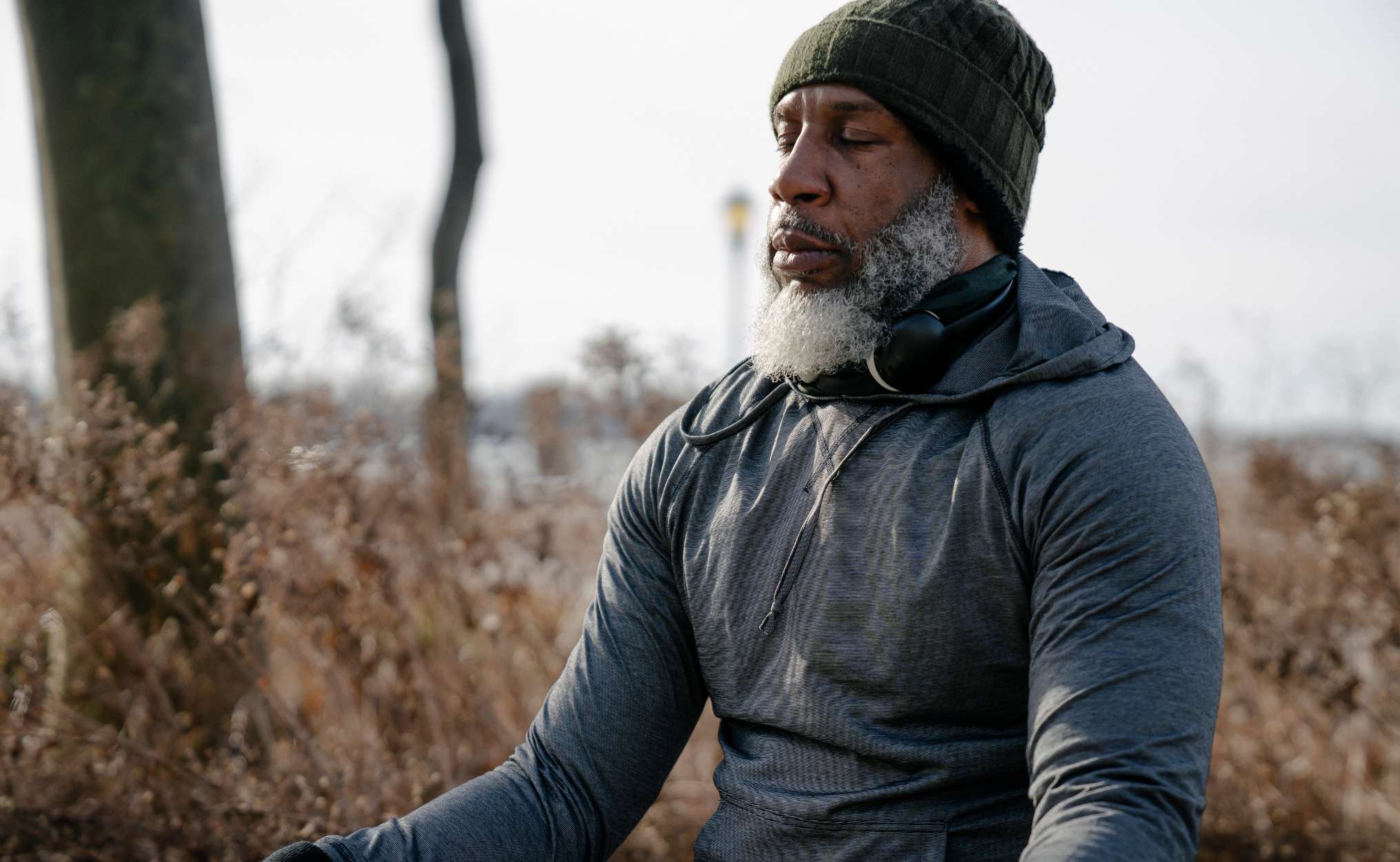
Using movement or quiet reflection helps bridge the gap between physical and mental health. These practices do not have to be complicated to be useful. Simple awareness is often enough to start making positive changes.
Finding Long-Term Stability
The goal of any care method is to create a life that feels stable and manageable. This involves setting realistic goals and working toward them at a steady pace. Stability provides the foundation for a happy and productive future.
Having a routine helps create a sense of order in a busy world. When people know what to expect, they feel more in control of their lives. This control reduces anxiety and allows for better decision-making.
Long-term success is about more than just solving a single problem. It is about building a lifestyle that supports health and happiness every day. With the right practical methods, this kind of stability is within reach for everyone.
Applying these practical care methods helps individuals take charge of their own journey. By focusing on proven strategies and personal needs, real change becomes possible. It is a process of learning, growing, and staying consistent with the tools that work best.
The results of these efforts show up in every part of life. Better health, stronger relationships, and a clearer mind are all outcomes of dedicated care. By taking small steps today, anyone can build a better and more fulfilling tomorrow.
Allen Brown is a dad of 3 kids and is a keen writer covering a range of topics such as Internet marketing, SEO and more! When not writing, he’s found behind a drum kit.